
Palm-leaf Begonia
Begonia palmata
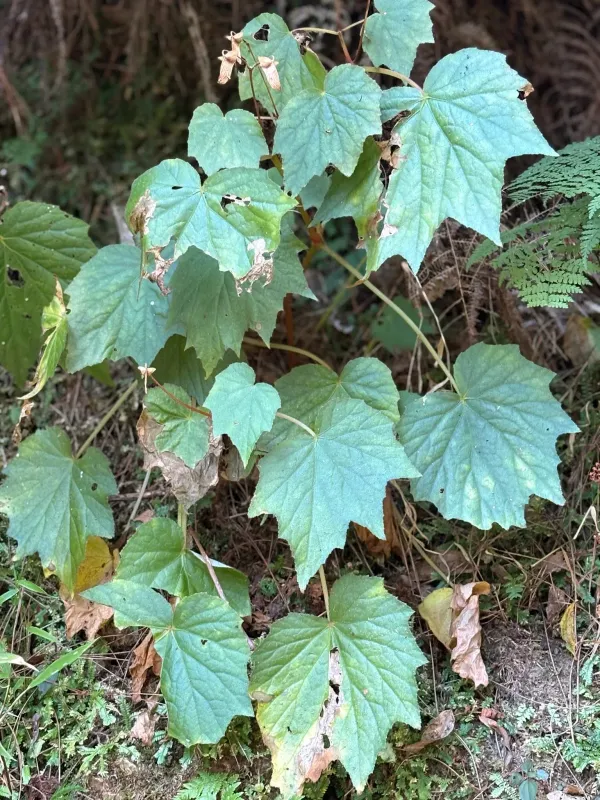
Description
Growing requirements
Begonia palmata, commonly known as the Palm-leaf Begonia, is a member of the Begoniaceae family native to the tropical and subtropical regions of Southeast Asia. It is valued in horticulture for its distinct foliage and graceful growth habit.
This species thrives in environments characterized by filtered light and consistent humidity levels. Direct sunlight is detrimental to the plant, as it often causes necrosis of the leaf edges and fades the rich color of the foliage.
The ideal soil for Begonia palmata must be porous, slightly acidic, and rich in organic matter. Utilizing a substrate that retains moisture while allowing excellent drainage is essential to prevent root asphyxiation during the growth phase.
Agricultural techniques for this plant focus on maintaining a stable temperature between 18°C and 24°C. Watering should be performed carefully, ensuring the substrate dries slightly at the surface, which prevents the development of anaerobic conditions in the root zone.
Economically, this species is cultivated as an ornamental plant for indoor displays, conservatories, and botanical collections. It is widely recognized for its aesthetic appeal and its ability to adapt to controlled indoor microclimates.
Main diseases and pests
The plant is susceptible to powdery mildew, a fungal infection that appears as a whitish, dusty growth on the leaves. This typically occurs in poorly ventilated areas where ambient humidity is trapped on the foliage for extended periods.
Root rot, primarily caused by Pythium or Phytophthora species, is the most common pathology resulting from waterlogged soil. Proper drainage and responsible irrigation scheduling are the primary defenses against these fungal threats.
Spider mites are the most pervasive insect pests, thriving in the warm, dry air often found in residential interiors. They pierce the leaf cells to feed, causing visible stippling and eventual leaf drop if left unchecked.
Aphids and mealybugs can occasionally infest the plant, usually clustering on new growth or the undersides of leaves. Early detection is crucial, as these insects can quickly sap the plant's vigor and attract secondary fungal infections.
Cultural management involves sanitation, such as the removal of dead or decaying leaf tissue, and maintaining optimal airflow. If chemical control becomes necessary, soft soaps or systemic insecticides labeled for ornamental use are generally recommended.