
Begonia oxyloba
Begonia oxyloba
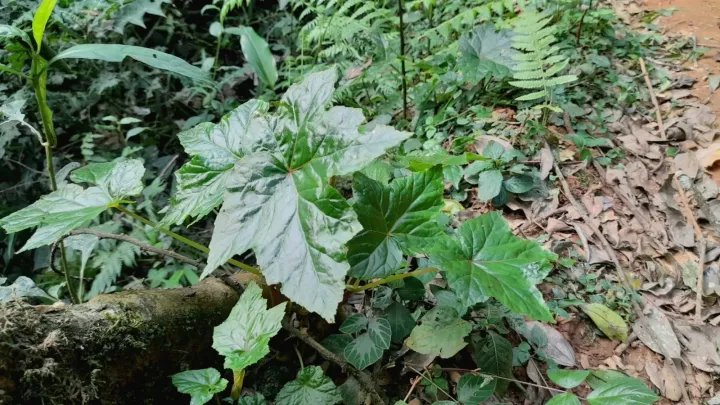
Description
Growing requirements
Begonia oxyloba is a perennial herbaceous plant belonging to the Begoniaceae family. It is native to tropical regions, where it naturally thrives in sheltered, humid, and shaded habitats within the forest understory.
The climate requirements for this species include steady temperatures, ideally between 18 and 24 degrees Celsius. It does not tolerate thermal shocks or cold drafts, which can cause significant physiological damage to the foliage.
Soil structure should be porous and well-draining, rich in organic matter. An acidic to neutral soil pH, typically between 5.5 and 6.5, is essential to ensure optimal nutrient uptake and root health.
Humidity management is a critical aspect of its agrotechnology. As a tropical species, it requires consistently high humidity levels, often exceeding 70 percent, to maintain the turgidity of its succulent stems.
Lighting must be filtered or diffused. The plant is adapted to low-light conditions, and direct solar radiation will damage the leaf tissue, leading to chlorosis or necrosis of the leaf margins.
Main diseases and pests
Pathogenic fungi represent the primary threat to Begonia oxyloba cultivation. Powdery mildew is particularly common when air circulation is inadequate or when moisture levels on leaf surfaces remain high for too long.
Root rot, often caused by overwatering or compacted soil, remains the most frequent cause of plant mortality. This condition destroys the root system, preventing the uptake of water and essential minerals.
Common agricultural pests affecting this plant include spider mites, aphids, and whiteflies. These insects proliferate quickly in warm, stagnant environments, causing physical damage and potential viral transmission.
Integrated pest management (IPM) strategies, including the use of neem oil or targeted acaricides, are recommended to maintain plant health without disrupting the delicate balance of the growing environment.
Routine inspection of the lower leaf surfaces is a vital practice for early detection of pest colonies, allowing for localized treatments that prevent widespread outbreaks across the cultivated area.