
Begonia nepalensis
Begonia nepalensis
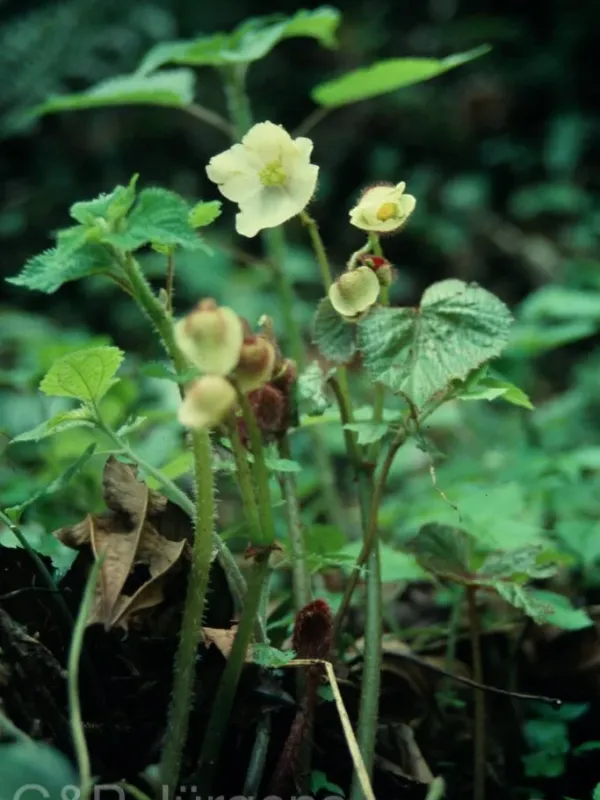
Description
Growing requirements
Begonia nepalensis is a perennial herbaceous plant classified within the family Begoniaceae. It is native to the high-altitude forests of the Himalayas, specifically adapted to the humid, temperate-to-subtropical conditions found in the region of Nepal.
As a forest understory plant, it requires dappled light and protection from harsh environmental stressors. In cultivation, it thrives in environments that mimic its natural habitat, emphasizing stable moisture levels and cool, well-ventilated spaces.
The substrate must be well-draining, nutrient-rich, and slightly acidic. Gardeners often use mixtures containing sphagnum peat moss, orchid bark, and perlite to ensure the root system is well-aerated while retaining essential hydration.
Climate requirements include protection from frost and intense, direct sunlight. Maintaining ambient humidity above 60 percent is crucial for the foliage to remain vibrant and to prevent the margins of the leaves from drying out prematurely.
Propagation is typically managed through division or stem cuttings, ensuring that each fragment has sufficient nodes for healthy regeneration. Consistent care involves balanced fertilization and careful monitoring of watering cycles to avoid root rot.
Main diseases and pests
The primary threats to Begonia nepalensis are fungal pathogens, specifically those causing powdery mildew and stem rot, which proliferate in poorly ventilated or excessively damp environments.
Insects such as spider mites and mealybugs are the most common pests. They thrive in dry, warm indoor conditions, making regular plant inspections an essential part of the maintenance routine.
Integrated pest management protocols, including the use of neem oil or insecticidal soaps, are generally effective if the infestation is detected early.
Environmental stability is the key to prevention; avoiding rapid temperature shifts helps the plant maintain its natural resistance to common diseases.
- Ensure proper air circulation around the foliage.
- Use sterile pots to prevent soil-borne pathogen contamination.
- Isolate new plants before adding them to existing collections.