
Mann's Begonia
Begonia mannii
Description
Growing requirements
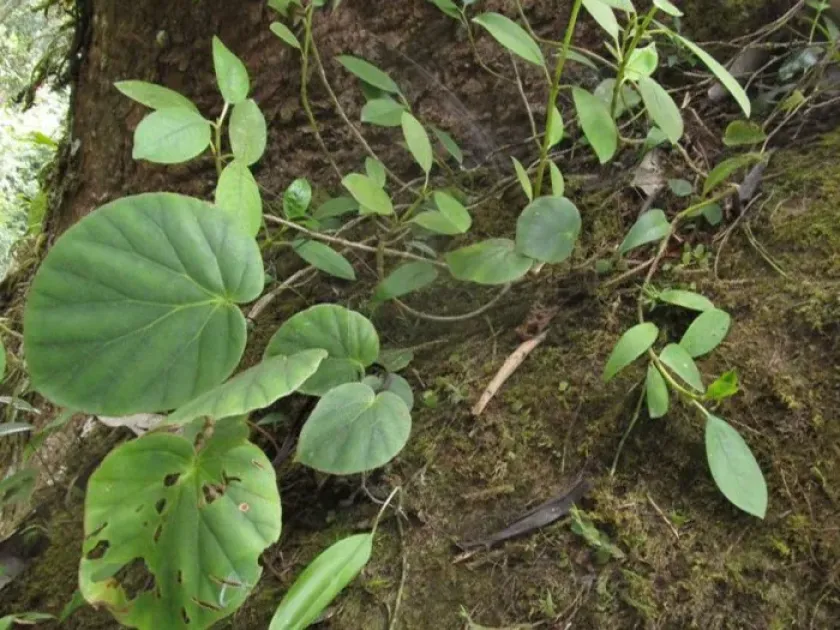
Mann's Begonia (Begonia mannii) is a distinct species within the Begoniaceae family, native to the tropical forests of West and Central Africa. Unlike many popular hybrids, this species maintains its unique wild characteristics, thriving in shaded and humid jungle environments.
Botanically, this plant is characterized by its sub-shrubby habit and often woody, ascending stems. Its foliage exhibits the classic asymmetry of the genus, providing significant aesthetic value for botanical collections and specialized plant displays.
Cultivation success depends heavily on mimicking its native tropical climate. It requires consistently high ambient humidity levels and warm temperatures. Rapid fluctuations in temperature are generally poorly tolerated and may result in leaf drop or stunted development.
The substrate must be highly porous and well-draining to prevent waterlogging, which is fatal for the root system. A mixture based on high-quality peat, perlite, and pine bark is recommended to provide both the necessary aeration and moisture retention.
Lighting requirements dictate a position in filtered or indirect light. Exposure to intense, direct sun will quickly damage the leaves, causing chlorosis or necrotic spotting. Indoor growers should utilize North or East-facing windows or provide appropriate artificial shading.
Main diseases and pests
The primary threats to the health of Begonia mannii are pathogenic fungi, particularly those causing stem rot and mildew. These diseases thrive in environments with poor air circulation, necessitating a careful balance between humidity and ventilation.
Common pests include spider mites, mealybugs, and scale insects. These pests tend to colonize the undersides of leaves and the junctions of stems. Early detection through regular monitoring is the most effective strategy for maintaining a pest-free collection of this species.