
Begonia macrocarpa
Begonia macrocarpa
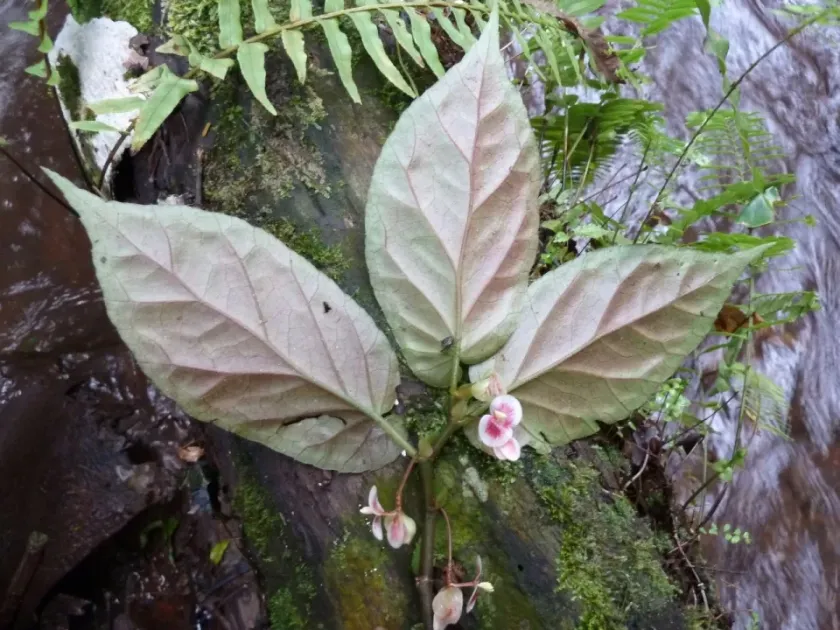
Description
Growing requirements
Begonia macrocarpa is a notable species belonging to the Begoniaceae family, indigenous to the tropical regions of Africa. This plant thrives in the dense, humid environment of equatorial forests, which defines its specific cultural requirements in cultivation.
Botanically, it is recognized for its robust growth habit and, as the name implies, the development of large fruit capsules. It is a perennial herbaceous plant that prefers stable, shaded, or semi-shaded environmental conditions, mimicking the forest floor ecosystem.
Optimal temperature ranges for this species are strictly between 20°C and 25°C. Exposure to sudden temperature drops or cold drafts can cause severe physiological stress, leading to stunted growth or premature wilting of the foliage.
The substrate must be well-draining, loose, and slightly acidic. A mix of peat-based soil, perlite, and coarse sand provides the necessary aeration and moisture retention that prevents the roots from suffocating in heavy, waterlogged mediums.
High relative humidity, ideally around 70-80%, is essential for the health of Begonia macrocarpa. Regular watering is required, but it must be performed cautiously; the top centimeter of the soil should be allowed to dry slightly before the next irrigation.
Main diseases and pests
Powdery mildew is a common fungal threat that manifests as white, powdery patches on the leaves. It thrives in stagnant air and moderate humidity, requiring immediate intervention with suitable fungicides to protect the plant's health.
Root rot, primarily caused by Pythium and other soil-borne pathogens, is a significant risk in poorly draining pots. It leads to leaf chlorosis and eventual tissue collapse, necessitating a strict adherence to proper watering and drainage practices.
Spider mites are the most prevalent pests that affect this species, particularly when ambient humidity is too low. These pests can cause extensive damage to leaves, leading to chlorotic spots and overall plant weakening over time.
Thrips may cause distortion in young leaves and growing points, significantly hindering the plant's development. Effective management requires constant monitoring and the application of systemic or contact insecticides when a threshold level of infestation is reached.
Viral infections can also occur, often manifesting as mosaic patterns on the foliage. Since there are no chemical cures for plant viruses, strictly separating or discarding infected specimens is the standard procedure to preserve the rest of the collection.