
Luzon begonia
Begonia luzonensis
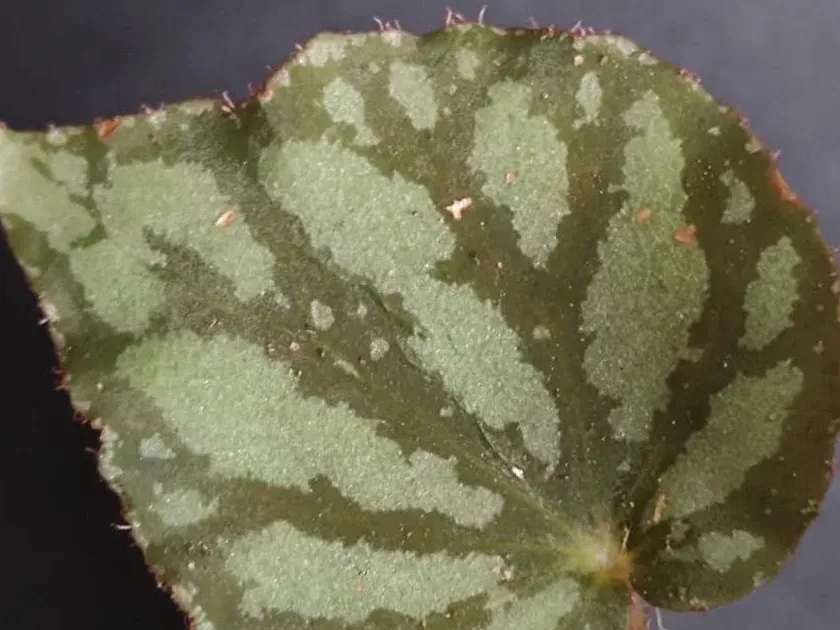
Description
Growing requirements
Luzon begonia (Begonia luzonensis) is a distinctive species belonging to the Begoniaceae family. Native to the Philippine island of Luzon, it thrives in the humid and shaded understories of tropical rainforests.
Botanically, this species is known for its intricate foliage, which is specifically adapted to low-light conditions. As a tropical crop, it serves primarily as a decorative plant in specialized collections and botanical nurseries.
To succeed in cultivation, growers must replicate its natural environment by providing stable ambient temperatures, ideally between 20°C and 25°C. Excessive heat or cold can quickly lead to physiological stress and leaf drop.
The soil requirements for the Luzon begonia are quite specific, favoring a well-draining, slightly acidic medium. A blend of peat, perlite, and decomposed organic matter provides the necessary structure to support healthy root development.
Watering practices are essential for the survival of the plant. It requires consistent moisture, but the medium must never become waterlogged, as this leads to anaerobic conditions that quickly compromise the plant's vascular system.
Main diseases and pests
Fungal infections are the most significant threat to the health of the Luzon begonia. Powdery mildew and Botrytis are common occurrences in poorly ventilated environments where moisture is allowed to linger on foliage.
Pest management is equally important, with spider mites and mealybugs posing the greatest risk. These insects exploit stressed plants, multiplying rapidly and damaging the leaf tissues, which significantly reduces the plant's ornamental value.
Environmental control is the primary method of disease prevention. By maintaining optimal humidity levels and ensuring adequate air circulation around the plants, growers can significantly reduce the pressure from common fungal pathogens.
Integrated pest management strategies should include regular scouting and the use of natural predators where possible. If chemical interventions are required, they must be chosen carefully to avoid phytotoxicity, as begonia leaves can be sensitive.
Maintenance routines should always involve the prompt removal of necrotic or damaged foliage. This practice not only improves the plant's aesthetic appearance but also eliminates potential breeding grounds for secondary infections and pests.