
Begonia Lucerna
Begonia lucerna
Description
Growing requirements
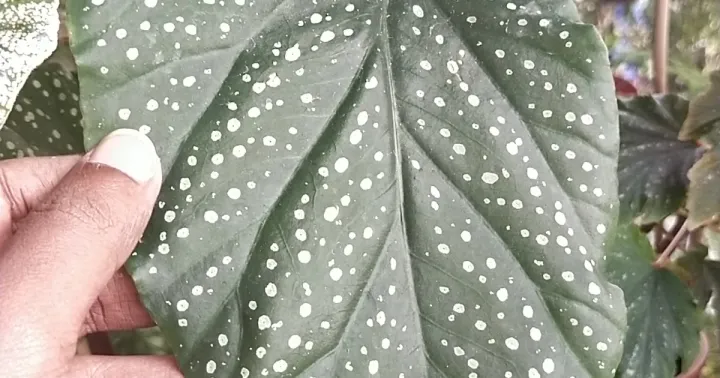
Begonia Lucerna (Begonia lucerna) is a member of the Begoniaceae family. It is a robust cane-like hybrid known for its large, wing-shaped leaves and long-lasting clusters of pinkish-red flowers, making it a popular decorative species.
The plant originates from the tropical rainforests of South America. As an indoor plant, it thrives in warm environments with consistent temperatures between 20 and 25 degrees Celsius, mimicking its native habitat.
Soil requirements for this crop include a well-draining, nutrient-rich potting mix. A blend of peat moss, perlite, and organic compost is recommended to ensure proper aeration and prevent root rot, which is a common issue for this variety.
Regarding light, Begonia Lucerna requires bright, filtered light. While it can tolerate partial shade, bright indirect sunlight is essential for the development of the silver spotting on its leaves and for the induction of flowering cycles.
Watering management is crucial for this plant. It should be watered when the top few centimeters of soil feel dry. Over-watering is detrimental, as it leads to root suffocation and promotes the development of fungal pathogens.
Main diseases and pests
The most significant threats to Begonia Lucerna are fungal diseases such as powdery mildew, which appears as white spots on the leaves. This is often exacerbated by poor air circulation and high humidity levels in indoor settings.
Botrytis blight (gray mold) is another frequent danger, particularly during winter months when light levels are low and the plant is stressed. It causes wilting and decay of stems and leaf tissues.
Pests like spider mites and mealybugs can infest the plant, causing foliage discoloration and weakening the plant's overall vigor. Regular inspection of the undersides of leaves is vital for early detection.
Treatment involves the use of specialized fungicides for fungal outbreaks and appropriate miticides or soaps for insect infestations. Maintaining good hygiene by removing debris from the soil surface is also recommended.
Overall, successful cultivation depends on maintaining a balance between moisture and drainage, along with consistent observation to manage pests and diseases before they reach critical levels.