
Begonia listada
Begonia listada
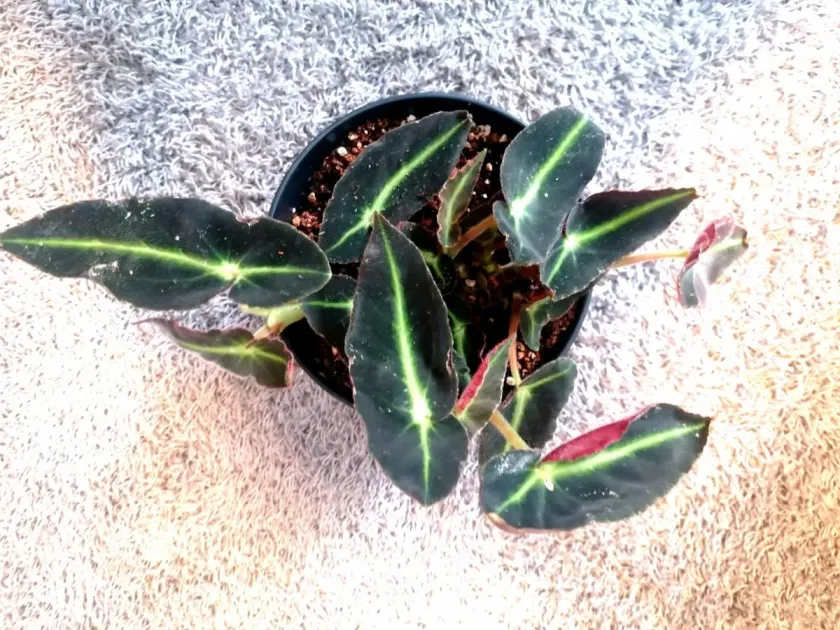
Description
Growing requirements
Begonia listada is a charming species within the Begoniaceae family, highly regarded for its distinctive foliage. Native to the tropical regions of Brazil, this plant thrives in warm and humid environments.
The botanical structure of this species features striking, dark green leaves marked with a prominent pale stripe down the center. This unique variegation makes it a popular choice for decorative indoor gardening.
To ensure healthy growth, the plant requires consistent temperatures ranging from 18 to 24 degrees Celsius. It is sensitive to cold drafts, which can cause leaf drop and stunt the development of the plant.
High air humidity is essential for Begonia listada. In indoor environments, owners should use humidifiers or pebble trays to maintain moisture levels similar to its native tropical habitat.
The growing medium should be well-draining, loose, and slightly acidic. A mix of peat moss, perlite, and leaf mold provides the necessary structure to support healthy root development while preventing waterlogging.
Main diseases and pests
The most common pests affecting Begonia listada are spider mites, which thrive in low-humidity environments. They can cause significant damage by piercing the leaf surface and sucking sap.
Mealybugs are another potential threat, often hiding in the crevices of the stem or the underside of the leaves. Regular inspection of the plant is vital to detect these pests early.
Fungal diseases, such as powdery mildew, often occur when air circulation is poor and humidity levels are too high. This manifests as a white, powdery residue on the leaves.
Root rot is a major risk when the plant is overwatered or grown in soil with poor drainage. Once established, this condition is difficult to reverse and often fatal for the specimen.
Maintaining a balanced irrigation schedule and ensuring adequate airflow are the primary methods for preventing these threats. Use systemic fungicides or acaricides if an infestation is confirmed.