
Begonia leathermaniae
Begonia leathermaniae
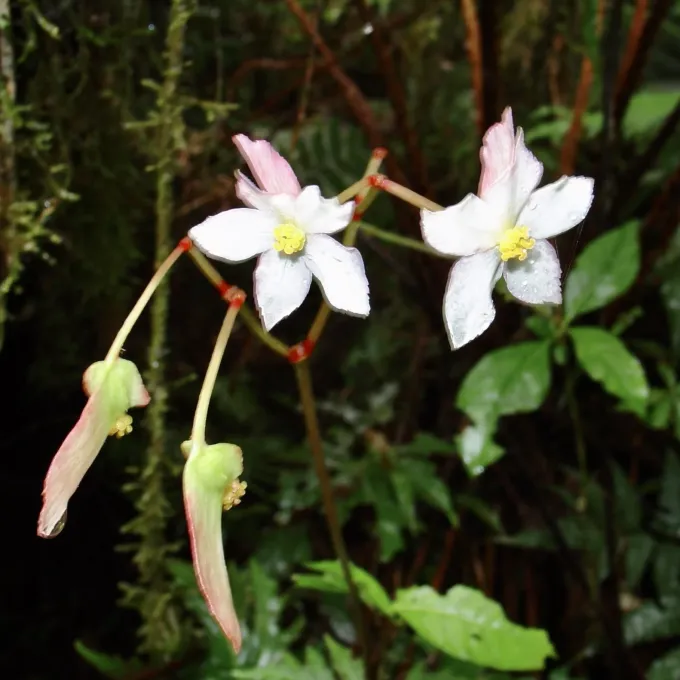
Description
Sowing dates
Begonia leathermaniae is a rare botanical species belonging to the Begoniaceae family. In a controlled greenhouse environment, propagation is typically achieved through seed germination or vegetative methods, such as stem cuttings and leaf fragments.
The optimal time for sowing seeds is from January to March, coinciding with the lengthening of daylight hours. Seeds should be sown on the surface of the substrate without covering them, as they require light exposure to trigger germination.
For cuttings, healthy shoots are selected and rooted in lightweight peat-sand mixtures under high-humidity conditions. The root formation process usually takes between three to six weeks, depending on the ambient temperature.
Young plants require transplanting once the second pair of true leaves develops. It is crucial to maintain a stable temperature without drastic fluctuations, which is essential for the survival of these delicate specimens.
The use of phytohormones to stimulate root development during the cutting stage significantly reduces the vegetative period, resulting in higher-quality planting material in a shorter timeframe.
Growing requirements
This crop has high demands regarding soil quality, preferring loose, well-aerated substrates with a pH level between 5.5 and 6.5. Soil compaction is strictly avoided, as it leads to waterlogging and root rot.
As a tropical plant, maintaining relative humidity at 70–80% is critical. The dry air found in heated buildings is detrimental to the delicate leaf tissues of this Begonia species.
The temperature must remain stable, ideally between +20°C and +25°C during the growing season. In winter, slight cooling is permissible, but temperatures should never drop below +16°C to prevent tissue degradation.
Lighting should be bright but strictly diffused. Direct sunlight can cause severe burns on the foliage, which reduces the plant's aesthetic value and negatively impacts its physiological health.
Irrigation should be performed once the top layer of the substrate becomes dry. Using room-temperature water with low salt content is essential for ensuring healthy root development.
Main diseases and pests
The primary threats to Begonia leathermaniae are fungal diseases, which often emerge due to excessive irrigation. Powdery mildew is a common issue, manifesting as a white, dusty film on the leaves.
Grey mold (Botrytis) can rapidly destroy the plant if ventilation is poor and humidity levels remain stagnant. Affected parts must be immediately removed, and the plant should be treated with systemic fungicides.
Among pests, the spider mite and mealybug pose the greatest risk. These pests extract cell sap, causing leaf deformation and the gradual decline of the plant’s health.
Proactive care involves regular plant inspection and maintaining strict hygiene within the growing area. Application of broad-spectrum insecticides and acaricides is effective when applied during the early stages of infestation.
To prevent the spread of infections, it is vital to maintain adequate spacing between pots, ensuring free air circulation, which prevents the build-up of excess moisture and condensation.