
Begonia josephi
Begonia josephi
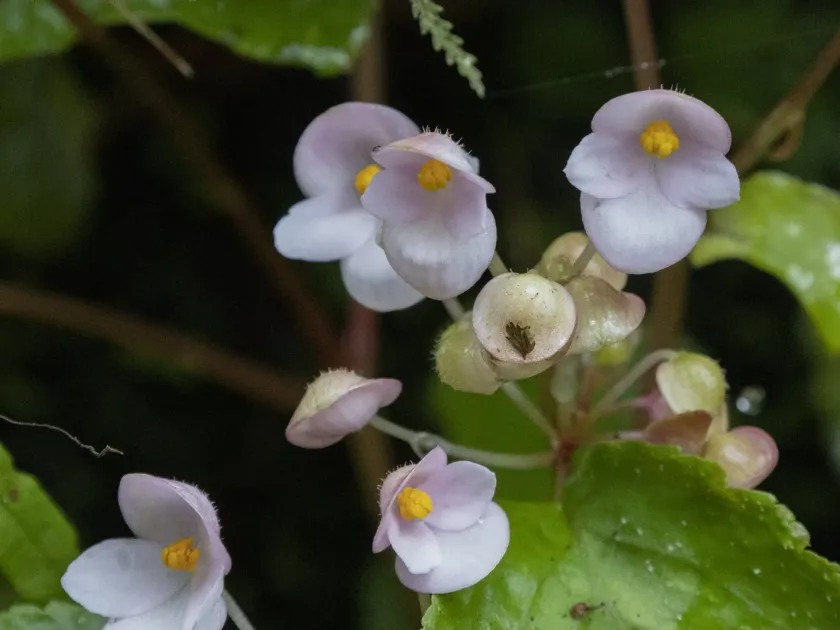
Description
Growing requirements
Begonia josephi is a perennial herbaceous plant belonging to the Begoniaceae family. Originating from the mountainous regions of Asia, specifically the Himalayas, this species is highly valued in horticulture for its unique appearance.
The culture requires a well-draining, nutrient-rich soil mixture to thrive. A combination of peat moss, perlite, and decomposed organic matter provides the necessary structure to prevent water stagnation in the root zone.
High relative humidity is essential for the healthy development of Begonia josephi. In domestic or greenhouse conditions, it is recommended to maintain humidity levels above 60% to mimic its natural montane environment.
Temperature regulation is critical, as this species prefers a moderate climate. It grows best in temperatures ranging from 18°C to 24°C, avoiding both freezing conditions and intense heatwaves that could lead to dehydration.
Light management should focus on providing bright, indirect sunlight. The delicate foliage is susceptible to scorching if exposed to direct solar radiation, especially during the peak hours of the day.
Main diseases and pests
Common pests affecting Begonia josephi include spider mites and mealybugs. These pests thrive in dry environments and can quickly colonize the undersides of leaves, causing damage to the plant tissue.
Fungal infections such as powdery mildew are prevalent in poorly ventilated spaces. This manifests as a white, powdery coating on leaves and stems, which can inhibit photosynthesis.
Root rot, typically caused by overwatering or poorly aerated substrate, is a major threat to the survival of the plant. It leads to a rapid collapse of the root system and eventual death of the organism.
Bacterial leaf spot can be managed by ensuring that water does not accumulate on the foliage. Careful irrigation techniques help mitigate the risk of pathogen spread across the canopy.
Effective management includes implementing a strict sanitation routine, monitoring for early signs of infestation, and applying appropriate chemical or biological controls when necessary.