
Begonia inflata
Begonia inflata
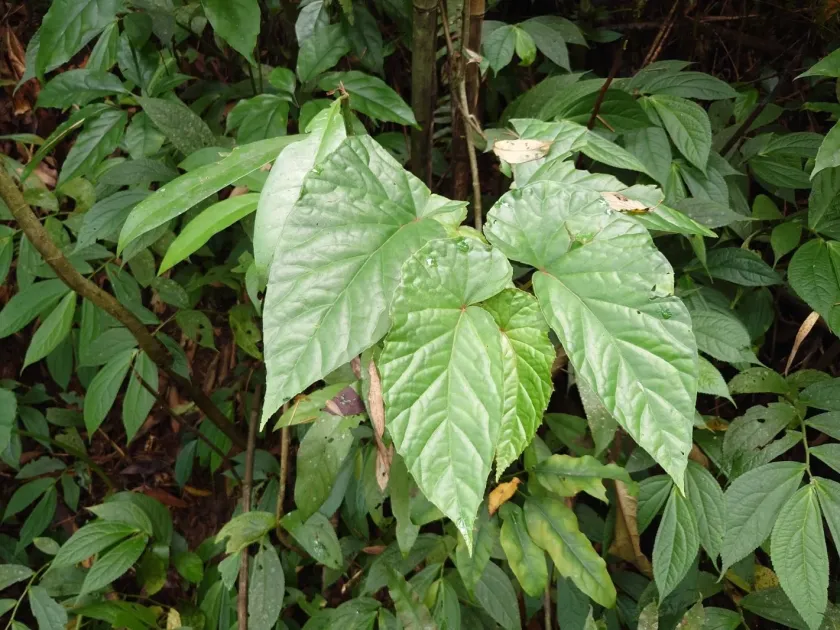
Description
Growing requirements
Begonia inflata belongs to the large Begoniaceae family. This perennial herbaceous plant is native to the tropical and subtropical regions of South America, where it thrives in humid forest understories.
For proper development, this crop requires a stable temperature range between 18°C and 24°C. High air humidity, maintained at 60–75%, is a critical factor for success, while waterlogging in the root zone must be strictly avoided.
The plant prefers loose, fertile sandy loam or loamy soils with essential good drainage. The optimal soil pH for this specific Begonia species ranges from 5.5 to 6.5, which is slightly acidic to neutral.
Although it is shade-tolerant, the plant requires bright, diffused light for optimal growth and intense leaf coloration. Direct midday sunlight should be avoided as it can easily cause scorching of the foliage.
In terms of agricultural and horticultural use, Begonia inflata is highly valued as an ornamental plant for indoor landscaping, greenhouses, and winter gardens. It is frequently utilized in landscape design as a container plant for shaded areas.
Main diseases and pests
The primary threats to these plantings include powdery mildew, which develops due to poor ventilation, and gray mold (botrytis), often triggered by excessive soil moisture.
Among pests, spider mites and thrips cause the most significant damage, particularly when air humidity drops. Additionally, root-knot nematodes can become an issue if contaminated or non-sterile soil substrates are utilized.