
Begonia hirtella
Begonia hirtella
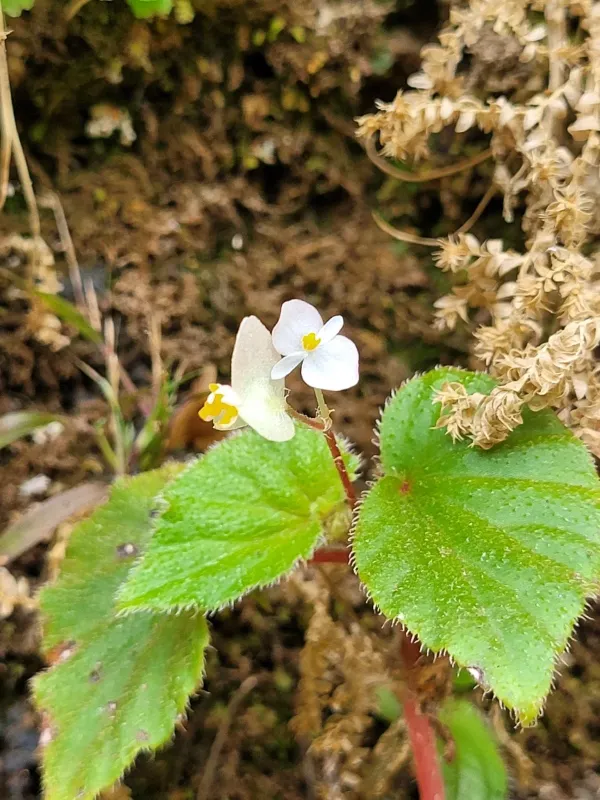
Description
Sowing dates
Begonia hirtella, known as the hairy begonia, is an herbaceous perennial plant belonging to the Begoniaceae family. In agricultural and horticultural contexts, it is primarily cultivated for its distinct ornamental characteristics.
Propagation is primarily achieved through seeds or stem cuttings. Given the extremely small size of the seeds, they require surface sowing on a fine-textured, moist germination substrate without being buried.
The ideal sowing window occurs in late winter or early spring to maximize the utilization of natural light as the seedlings begin their development cycle.
Cuttings are sourced from healthy mature plants and rooted in a propagation tray filled with peat-based media, keeping temperature and humidity consistently high until root initiation occurs.
Proper density during the early growth stages is crucial; seedlings should be transplanted or thinned to prevent competition for light and nutrients, which ensures healthy development.
Growing requirements
The crop requires a well-draining, nutrient-rich substrate with a slightly acidic pH level. A mix of peat, perlite, and organic matter is typically recommended to provide aeration for the root system.
Begonia hirtella thrives in bright, indirect light. Direct sunlight can cause severe leaf scorch and damage the plant's aesthetic quality, necessitating the use of greenhouse shading materials.
Temperature management is critical, with optimal growth occurring between 18 and 24 degrees Celsius. Protection against cold drafts and extreme thermal fluctuations is necessary for crop uniformity.
Watering practices must emphasize consistency; while the substrate should remain moist, it must never be waterlogged, as poor drainage is the primary cause of root failure.
Fertilization with balanced NPK formulas is applied periodically during the active growing season, taking care to avoid over-concentration, which can damage the plant's delicate roots.
Main diseases and pests
Major phytopathological threats include powdery mildew and gray mold (Botrytis), often triggered by poor ventilation and excessive surface humidity on the leaves.
Pests such as spider mites, thrips, and whiteflies are common in controlled environment agriculture, requiring integrated pest management strategies for effective control.
Regular sanitation of the growing environment is essential to prevent the buildup of pathogens, including the removal of dead or decaying plant tissue from the greenhouse benches.
If chemical interventions are necessary, the use of targeted fungicides and systemic insecticides should follow standard safety protocols to protect both the plant health and the environment.
Monitoring the plants for early symptoms—such as yellowing leaves or discolored patches—allows for rapid intervention before pests or diseases reach the economic threshold.