
Star begonia
Begonia heracleifolia
Description
Growing requirements
Star begonia (Begonia heracleifolia) is an ornamental herbaceous perennial belonging to the Begoniaceae family. Its natural habitat is traced to the tropical rainforests of Mexico and Central America, where it thrives in shaded and humid environments.
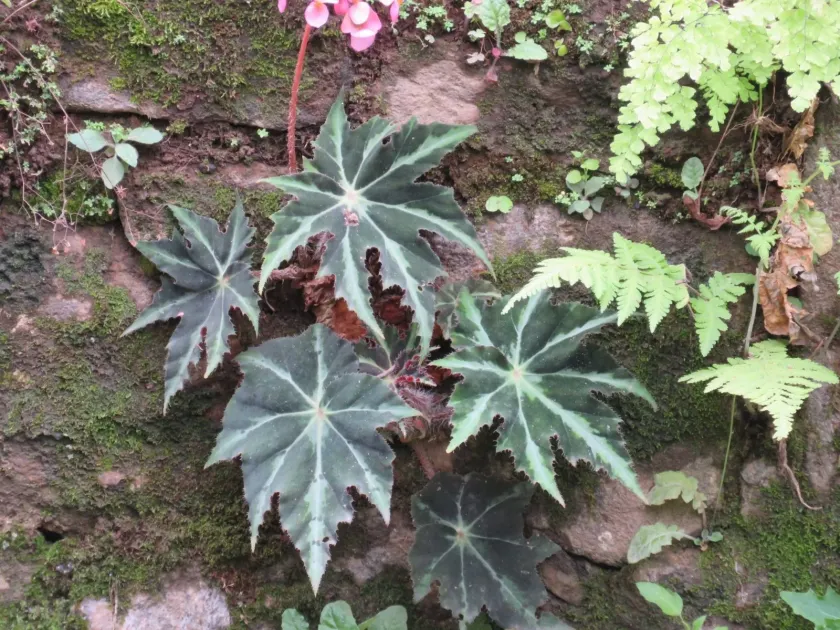
Botanically, this species is defined by its impressive palmately lobed leaves that resemble the foliage of the Heracleum genus. The leaves are typically characterized by distinct venation and pubescence, which adds to the plant's structural and visual appeal in horticultural displays.
The cultural requirements demand bright, indirect light to maintain foliage coloration without inducing scorching. Temperatures should remain between 68°F and 77°F (20°C–25°C). Protecting the plant from cold drafts and sudden temperature fluctuations is essential for robust development.
For soil media, a porous and well-aerated substrate is necessary. A standard mix typically includes peat moss, perlite, and high-quality potting soil to ensure optimal drainage. Maintaining a slightly acidic pH balance helps in nutrient absorption and overall health.
Watering practices must emphasize consistency while avoiding waterlogged soil. It is recommended to apply water only when the top inch of the soil feels dry to the touch. Proper drainage holes in the container are non-negotiable to prevent root rot and ensure aerobic conditions for roots.
Main diseases and pests
Common pests affecting this species include spider mites, which thrive in dry indoor air, and mealybugs. Integrated pest management strategies involve consistent monitoring and the application of horticultural soaps or specific miticides when populations exceed economic injury levels.
Fungal pathogens such as powdery mildew are frequent threats, often caused by inadequate airflow. Keeping the foliage dry during irrigation and ensuring appropriate spacing between plants are critical cultural practices to mitigate the risk of fungal outbreaks in a greenhouse environment.