
Begonia gracilis
Begonia gracilis
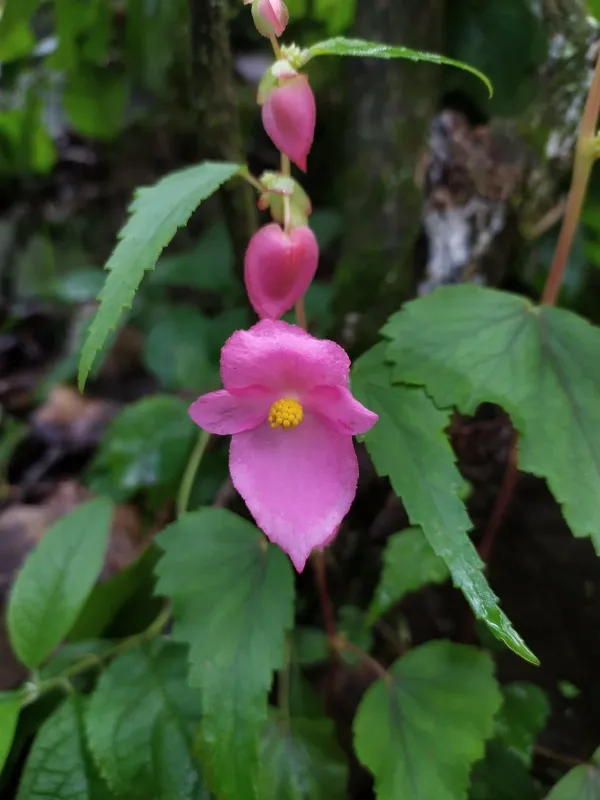
Description
Sowing dates
The propagation of Begonia gracilis via seeds typically begins in late winter, specifically February or March, to allow for a long growing season for the seedlings.
Since the seeds are extremely fine, they must be sown on the surface of a fine, moist potting mix without covering them with soil to ensure proper light absorption.
A constant temperature of 22–24 degrees Celsius is required for germination, and keeping the seed trays covered helps maintain the necessary high humidity levels.
Germination usually occurs within two to three weeks, during which the soil surface must be kept consistently damp using a fine mist sprayer to avoid dislodging the seeds.
Once the seedlings develop two or three true leaves, they should be transplanted into individual containers to allow for root expansion and prevent competition for nutrients.
Growing requirements
Begonia gracilis belongs to the Begoniaceae family and thrives in environments that mimic its native tropical habitat, requiring consistent warmth and high moisture.
The plant requires bright, indirect light; direct sunlight should be avoided as it often scorches the foliage and stunts the growth of the plant.
Soil composition is critical: a well-draining, nutrient-rich substrate with a slightly acidic to neutral pH level is ideal for supporting healthy root development.
Watering management is essential, as the plant needs moderate moisture but is highly susceptible to root rot if the soil remains waterlogged for extended periods.
Regular fertilization with balanced liquid fertilizers during the active growth phase is recommended to sustain the plant's ornamental appeal and overall health.
Main diseases and pests
Powdery mildew is the most common fungal disease affecting Begonia gracilis, usually manifesting as white patches on leaves when humidity is high and ventilation is poor.
Botrytis, or gray mold, can also develop if the plants are overcrowded or kept in overly damp conditions, potentially destroying the stalks and floral buds.
Pests like spider mites and aphids are major threats, especially in indoor conditions where dry air facilitates their rapid reproduction and infestation.
Root rot, triggered by overwatering and the use of dense, poorly drained soil, is the most common cause of sudden wilting and eventual plant death.
- Proper plant spacing to allow air circulation.
- Early detection and removal of affected leaves.
- Use of appropriate pesticides to control mite populations.