
Begonia fuchsioides
Begonia fuchsioides
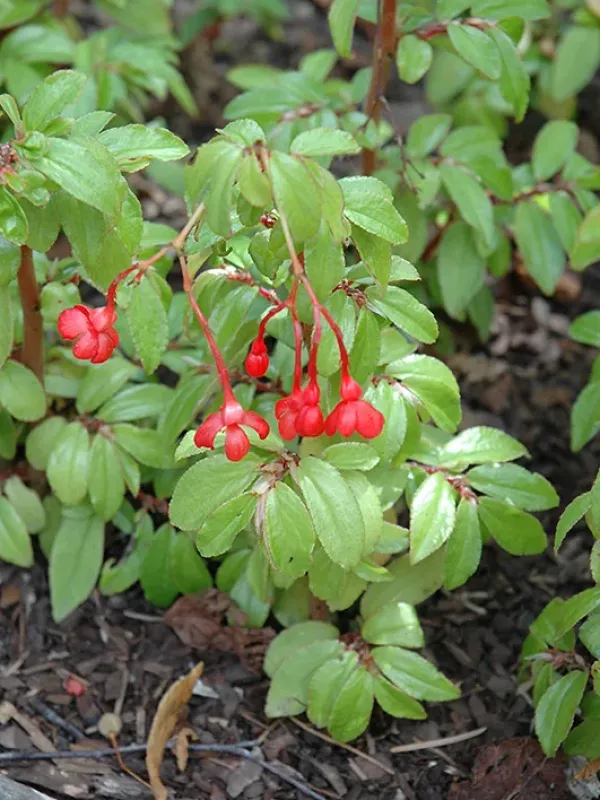
Description
Growing requirements
Begonia fuchsioides is a distinct member of the Begoniaceae family, native to the tropical montane regions of Colombia and Venezuela. It is prized in ornamental horticulture for its pendulous growth habit and foliage that closely resembles that of a fuchsia plant.
Cultivation requires a well-aerated, slightly acidic substrate rich in organic matter. Proper drainage is essential for this species, as its root system is highly susceptible to hypoxia and fungal rot if grown in overly compacted or waterlogged soils.
The plant thrives in moderate temperatures ranging from 18°C to 24°C. It is sensitive to environmental stress, particularly cold drafts and direct sun exposure, which can lead to leaf necrosis and overall plant vigor decline in greenhouse conditions.
Agricultural management involves a consistent watering schedule with tepid water, ensuring the soil remains moist but not saturated. Propagation is typically performed via stem cuttings, which root efficiently under high humidity and stable, warm environmental conditions.
The primary use of Begonia fuchsioides is decorative. It is extensively utilized in botanical collections, winter gardens, and indoor landscapes where its unique architectural form serves as a focal point in specialized planting schemes.
Main diseases and pests
Powdery mildew is a common threat to Begonia fuchsioides, particularly in environments with poor air circulation and high humidity. Management requires improved ventilation and, if necessary, the application of appropriate systemic fungicides.
Pests such as aphids and spider mites frequently affect the soft tissue of the stems and leaves. Regular monitoring of the foliage and the use of targeted acaricides or biological control agents are effective in maintaining plant health.
Root rot caused by Oomycetes, such as Pythium species, remains a major challenge. Avoiding waterlogging and using sterile, high-quality media are the best preventative measures against this destructive condition.
Bacterial leaf spot is often triggered by overhead irrigation and high density planting. To minimize risk, water should be applied directly to the soil, avoiding wetting the leaves to prevent bacterial proliferation.
Integrated pest management (IPM) protocols are highly recommended for large-scale production to reduce reliance on chemicals and ensure long-term sustainability of the plant stock.