
Begonia flexuosa
Begonia flexuosa
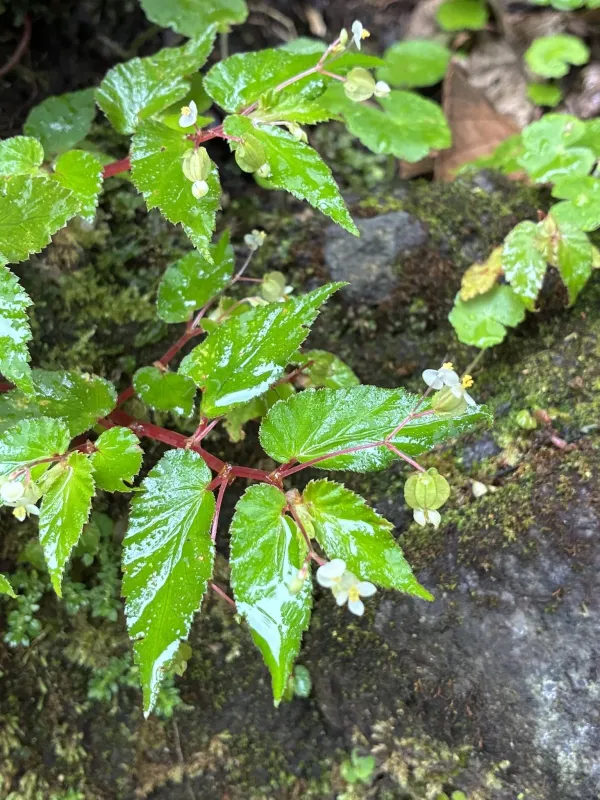
Description
Growing requirements
Begonia flexuosa is a perennial herbaceous plant belonging to the Begoniaceae family. Native to tropical regions, this species is highly valued for its unique growth habit, characterized by stems that exhibit a distinctive flexuous or bending structure.
Botanically, the plant presents asymmetrical leaves with varied textures. It is widely cultivated in controlled greenhouse environments where specific humidity and light conditions can be meticulously managed to maintain its decorative integrity.
Optimal environmental requirements include a temperature range of +18°C to +24°C and high atmospheric humidity. It thrives best in indirect, filtered light, as direct exposure can scorch the delicate leaf tissue, reducing the plant's aesthetic value.
The substrate must be highly porous and well-drained, typically composed of peat, perlite, and leaf mold. A soil pH between 5.5 and 6.5 is ideal for nutrient absorption, preventing physiological disorders related to mineral deficiency.
Agrotechnical management requires a balanced irrigation strategy that prevents waterlogging while ensuring the root ball does not completely dry out. Regular light fertilization with water-soluble fertilizers is recommended during the peak growing season.
Main diseases and pests
Common phytopathological threats include powdery mildew and Botrytis (gray mold), which typically develop under conditions of poor air circulation and excessive ambient moisture. Prevention involves maintaining proper spacing between plants.
Pest management focuses on controlling spider mites, aphids, and fungus gnats. Regular monitoring of the foliage and using biological or chemical control agents ensures the plant remains healthy throughout its vegetative cycle.