
Begonia fagifolia
Begonia fagifolia
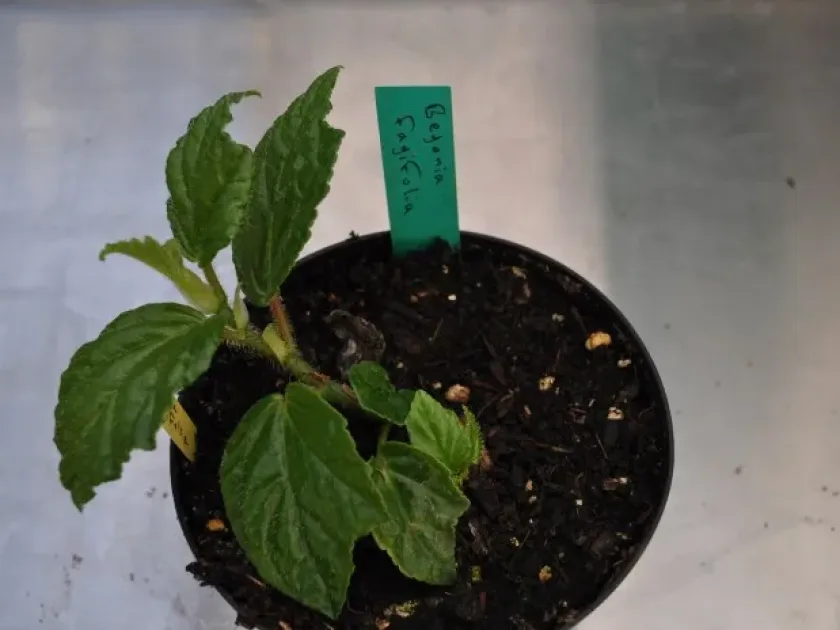
Description
Growing requirements
Begonia fagifolia is a notable species within the Begoniaceae family, characterized by its distinctive foliage that mimics the shape of beech leaves. It originates from the tropical rainforests of South America, where it thrives in shaded, humid microclimates.
Cultivation of this species requires a stable temperature range, ideally between 20 and 25 degrees Celsius. Being a tropical plant, it cannot tolerate frost, and any sudden drop in temperature can lead to significant physiological stress and leaf loss.
The substrate requirements are specific: the soil must be well-draining, aerated, and slightly acidic. A mix consisting of peat moss, leaf compost, and perlite is generally considered optimal to prevent root rot while retaining sufficient moisture.
In terms of light, Begonia fagifolia prefers bright, indirect light. Direct exposure to intense sunlight will scorch the leaves, while insufficient light leads to elongated, weak stems and poor foliage color. Maintaining high humidity is also essential for its health.
Its primary agricultural and horticultural application is as an ornamental plant. It is widely used in indoor plant collections, conservatory displays, and specialized tropical landscaping, valued for its unique texture and elegant growth habit.
Main diseases and pests
The most common health issues affecting Begonia fagifolia involve fungal diseases, which are typically triggered by excessive moisture and poor ventilation. Powdery mildew is a frequent problem that appears as a white dust on the foliage.
Root rot, caused by overwatering and lack of soil oxygen, is another major threat. It is essential to ensure that the pot has proper drainage holes and to avoid letting the plant sit in standing water, as this quickly leads to crown and root decay.
Pest infestations, particularly spider mites and scale insects, pose a significant risk in indoor environments with low humidity. These pests feed on the plant's sap, causing stunted growth, yellowing leaves, and severe loss of vigor.
Management of these threats involves a combination of cultural practices and chemical control. Regular cleaning of leaves helps reduce dust and pest habitats, while targeted use of miticides and fungicides is necessary during severe outbreaks.
To maintain plant health, it is recommended to conduct weekly inspections of the undersides of the leaves, where pests typically hide. Proactive care and maintaining a consistent, clean environment remain the best strategy for successful cultivation.