
Begonia dregei
Begonia dregei
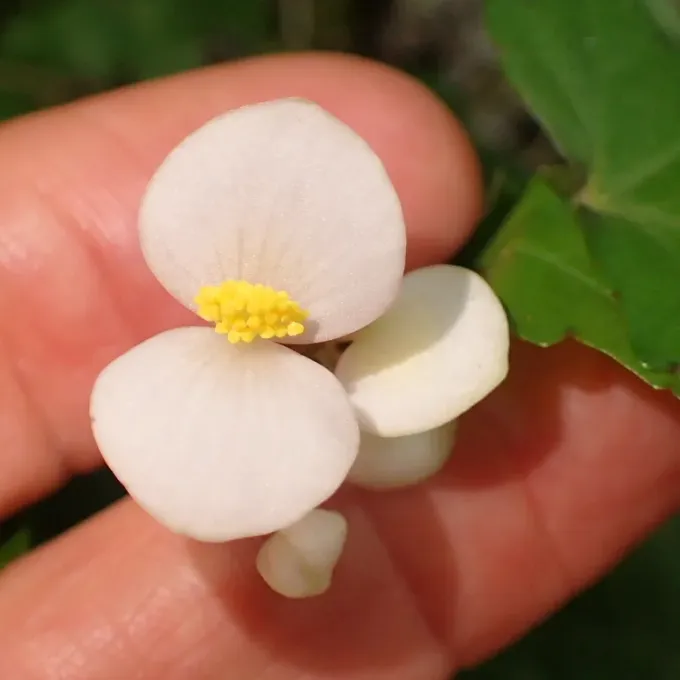
Description
Growing requirements
Begonia dregei is a distinct species within the Begoniaceae family, notable for its succulent-like caudex. Originating from South Africa, it has evolved to survive in rocky, well-drained environments, making it a favorite among collectors of caudex-forming plants.
The plant thrives in temperatures ranging from 18 to 24 degrees Celsius. It is sensitive to cold temperatures and should not be exposed to anything below 12 degrees Celsius for extended periods, as this can cause the caudex to rot or the plant to go into forced dormancy.
Regarding soil requirements, the medium must be highly porous and fast-draining. A typical potting mix for this species consists of coarse sand, perlite, and a small portion of organic potting soil. This structure ensures that oxygen reaches the roots and prevents water stagnation.
Lighting is crucial for maintaining the plant's characteristic bushy, compact shape. Bright, indirect light is ideal. While it can handle some early morning sun, intense afternoon direct light often scorches the leaves, while deep shade will cause the stems to become leggy and weak.
Watering practices should follow a wet-dry cycle. During the active growing season, water thoroughly only when the top layer of the soil has dried out. In winter, the plant enters a dormant phase where water should be provided sparingly to keep the caudex from shriveling.
Main diseases and pests
The primary threat to Begonia dregei is root rot, typically caused by overwatering or poor drainage. This condition is particularly dangerous due to the plant's succulent nature, as excessive moisture leads to rapid decay of the caudex tissues.
Powdery mildew is a frequent foliage disease, especially in environments with poor air circulation or high humidity. It is characterized by white, powdery spots on the leaves, which can be managed with proper fungicide application and improved airflow.
Spider mites are the most common pests, often appearing when the indoor air is too dry. These tiny pests suck sap from the leaves, causing discoloration and eventual leaf drop if the infestation is not managed with effective miticides.
Scale insects can also colonize the stems, feeding on the plant's vital fluids. These pests are often difficult to spot initially, so routine inspections are recommended to catch infestations before they spread across the entire collection.
To mitigate these threats, maintain a balanced environment and avoid overhead watering. Keeping the plant in a location with good light and ventilation is the best preventative measure against most pathogens and insect outbreaks.