
Begonia dioica
Begonia dioica
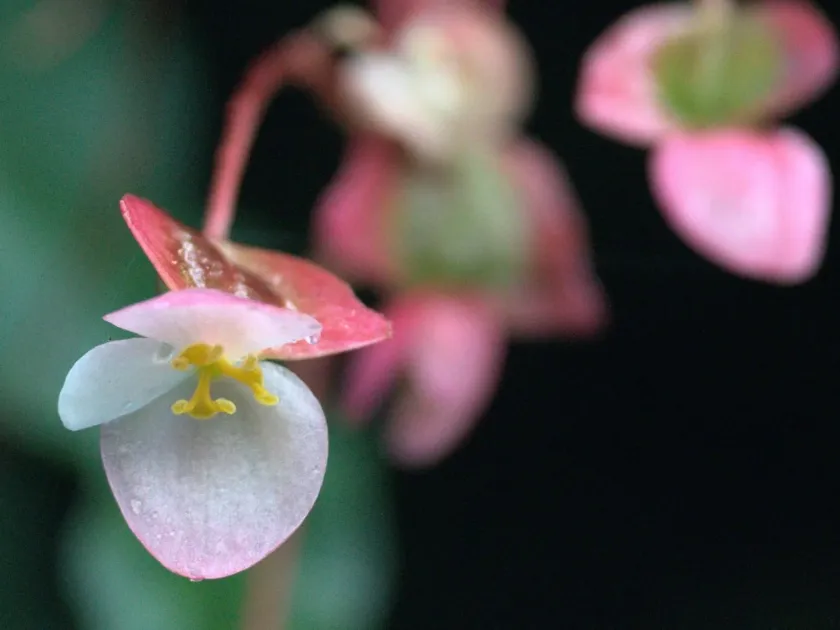
Description
Growing requirements
Begonia dioica is a distinctive herbaceous perennial belonging to the Begoniaceae family. Originating from the Himalayan regions, this plant is well-adapted to rocky habitats and cool, shaded environments.
Successful cultivation requires a well-draining substrate, ideally a mix of peat, perlite, and organic matter. Proper aeration of the soil is crucial to prevent root rot, which is a common issue for this species.
The plant thrives in bright, indirect light conditions. Excessive direct sunlight can lead to leaf scorching, while low light levels result in stunted growth and a loss of the plant's characteristic vigor.
Maintaining a stable temperature range between 18°C and 24°C is recommended for optimal growth. High humidity levels are beneficial, though air circulation must be maintained to prevent dampness-related issues.
Regular monitoring of moisture levels is essential. Watering should be carried out when the top layer of the soil feels dry, ensuring that no water remains stagnant in the potting tray or the plant's leaf axils.
Main diseases and pests
Common pests affecting Begonia dioica include spider mites and mealybugs. These typically emerge in dry environments and can quickly weaken the plant if not controlled with appropriate pesticides.
Fungal pathogens such as powdery mildew and Botrytis cinerea are significant threats during periods of high humidity. Proper airflow around the foliage significantly reduces the likelihood of these outbreaks.
Root rot, often caused by overwatering or poor soil quality, is the most common cause of plant failure. It is essential to use sterilized equipment and high-quality potting media to minimize pathogen presence.
Bacterial leaf spot may occur if water splashes onto the foliage, particularly in cooler temperatures. Keeping the leaves dry and ensuring good ventilation are key preventative measures for any grower.
Early identification of signs of stress is vital. Growers should practice regular inspections, focusing on the undersides of the leaves and the soil surface to catch potential threats at an early stage.