
Begonia diadema
Begonia diadema
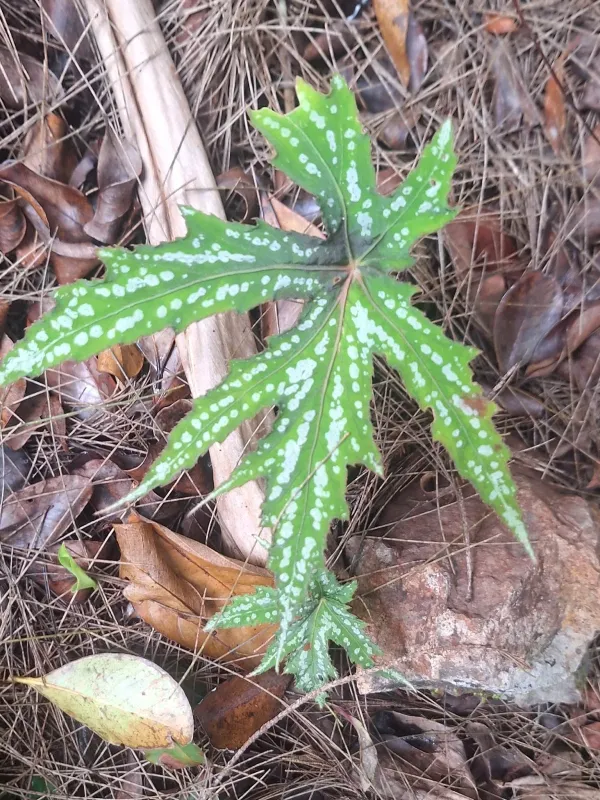
Description
Growing requirements
Begonia diadema is a distinctive species within the Begoniaceae family, highly valued for its striking, decorative foliage. Originating from the humid, shaded environments of tropical Southeast Asian rainforests, it is primarily cultivated as an ornamental plant.
The plant requires a stable, warm climate with temperatures typically ranging between 20°C and 25°C. Exposure to sudden temperature fluctuations or cold drafts will severely impact its health and can lead to rapid foliage damage.
Successful cultivation depends on a well-draining, nutrient-rich, and slightly acidic substrate. A mixture consisting of peat moss, perlite, and high-quality leaf mold provides the necessary aeration and moisture retention required for root health.
Bright, indirect light is essential for maintaining the plant's unique silver-patterned coloration. Direct sunlight must be avoided as it leads to severe leaf scorching, while inadequate light will cause the plant to lose its vibrant visual appeal.
The primary agronomic requirement is consistent soil moisture without waterlogging. Watering should be carried out using room-temperature water, ensuring that no moisture sits on the leaf surface, which can cause rotting.
Main diseases and pests
Common pests affecting Begonia diadema include spider mites and mealybugs, which thrive in dry indoor environments. Early detection and the application of neem oil or insecticidal soap are recommended as effective control measures.
Fungal diseases, such as powdery mildew and botrytis, remain the most significant threats to the plant's longevity. These are best managed by ensuring proper air circulation and avoiding the wetting of foliage during irrigation.