
Begonia decandra
Begonia decandra
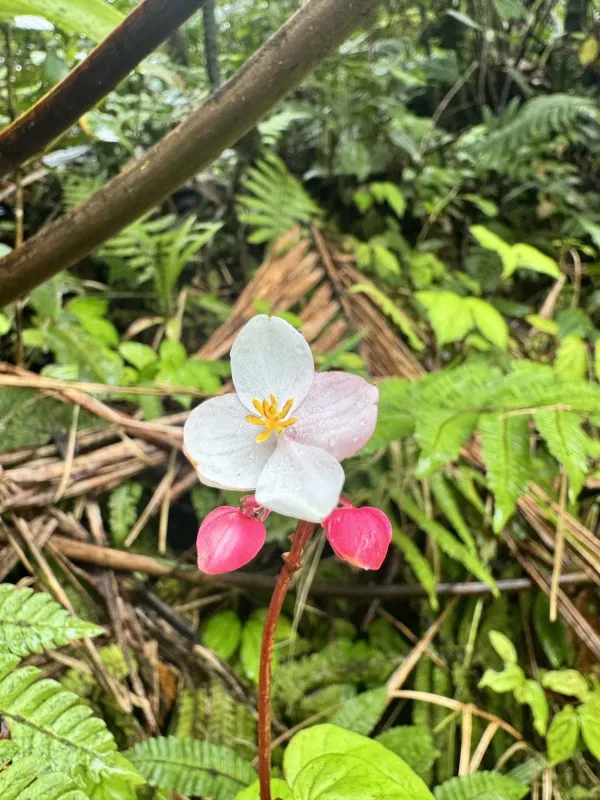
Description
Sowing dates
Propagation of Begonia decandra is primarily achieved through vegetative cutting methods. Early spring is considered the ideal time to take cuttings, ensuring the parent plant has enough energy to recover while the cuttings benefit from the increasing daylight hours.
For seed propagation, success depends on meticulous environment control. Seeds should be sown on the surface of a light, sterilized peat-based medium and kept in a high-humidity environment under diffuse light until germination occurs.
Proper sanitation of tools and containers is essential to prevent fungal infections, which are a major risk for young seedlings and freshly cut material. Using systemic fungicides during the early rooting phase can significantly increase the survival rate.
Once the cuttings have developed a sufficient root system, they are transplanted into individual pots. This stage requires careful handling of the brittle stems and leaves to avoid mechanical damage that could lead to necrotic spots.
Consistent growth monitoring is vital during the initial weeks of development. Providing a steady light source and avoiding extreme temperature fluctuations will facilitate healthy leaf production and robust stem growth.
Growing requirements
As a member of the Begoniaceae family, Begonia decandra requires specific conditions characteristic of its tropical origin. It performs best in bright, indirect light, as direct sunlight can easily damage its delicate leaf structure.
The ideal temperature range for this species is 18–25 degrees Celsius. It is highly sensitive to cold drafts and rapid temperature drops, both of which can cause leaf abscission and growth stagnation, requiring stable placement within the growing area.
Soil requirements dictate a well-draining, nutrient-rich, and slightly acidic medium. A blend including peat, perlite, and leaf mold allows for optimal moisture retention while ensuring that the roots receive necessary oxygen, preventing suffocation.
Watering must be balanced; the substrate should be allowed to partially dry out between sessions. Over-watering is the most frequent cause of root failure in this species, making proper drainage control in pots and trays a priority.
High relative humidity, typically around 60–75 percent, is crucial for the health of Begonia decandra. In greenhouse conditions, automated misting systems or the strategic use of humidifiers helps maintain this balance, preventing the edges of the leaves from drying out.
Main diseases and pests
Fungal pathogens represent the most significant threat to the health of these plants, particularly when ventilation is inadequate. Powdery mildew can quickly cover the leaves, obstructing photosynthesis and reducing the aesthetic and commercial value of the crop.
Root and stem rot caused by excessive moisture are critical concerns. These issues are often exacerbated by using heavy soils that lack sufficient porosity, leading to hypoxic conditions for the root system and subsequent rapid plant decay.
Spider mites are the most troublesome pests, especially in environments where the air is too dry. They feed on the sap of the leaves, causing stippling, yellowing, and eventually the death of entire sections of the foliage if left unchecked.
Other pests like whiteflies and aphids may also colonize the plant, particularly in sheltered greenhouse environments. Integrated pest management, involving sticky traps and regular monitoring, is the most effective approach for control.
- Implementing regular cleaning of the greenhouse space to remove decaying plant matter.
- Maintaining optimal air circulation to reduce the humidity trapped around the leaves.
- Rotating the use of pesticides to prevent the development of pest resistance.
- Isolating new specimens before introducing them to the main collection.