
Cuban begonia
Begonia cubensis
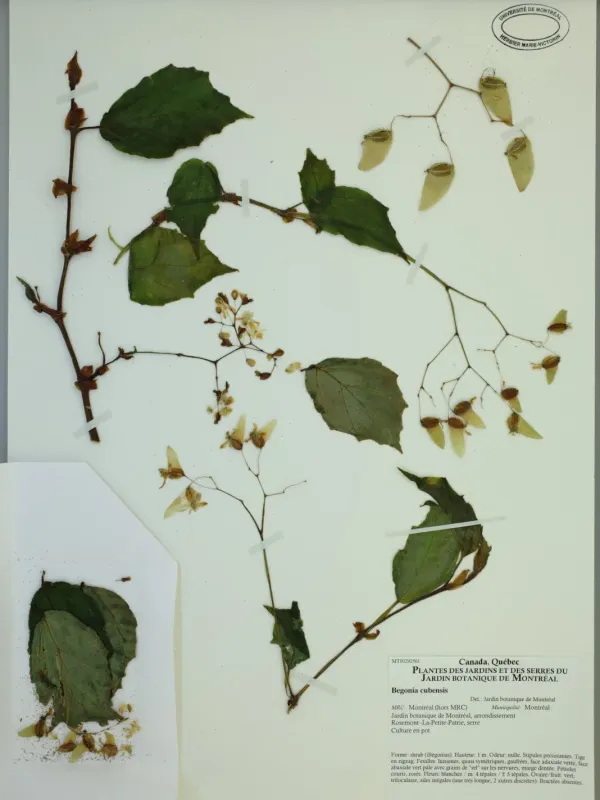
Description
Growing requirements
Cuban begonia (Begonia cubensis) is a distinct species of herbaceous perennial belonging to the Begoniaceae family. Native to the Caribbean, specifically Cuba, this plant thrives in specialized microclimates characterized by constant moisture and warmth.
The successful cultivation of this species requires a high relative humidity, ideally maintained between 75% and 85%. It is highly sensitive to cold drafts and prefers temperature ranges between 20°C and 27°C for consistent vegetative growth.
A well-draining, peat-based substrate is essential for the health of Begonia cubensis. The growing medium should remain slightly acidic, with a pH balance between 5.5 and 6.5, to facilitate optimal nutrient uptake by the root system.
Proper light management is crucial for this species; it requires bright, filtered light. Exposure to direct afternoon sunlight can damage the leaves, leading to chlorosis and tissue necrosis, which significantly diminishes the plant's aesthetic value.
Maintenance involves frequent, light irrigation cycles to keep the substrate moist but not waterlogged. Over-fertilization should be avoided, as the species is sensitive to high salt concentrations in the soil profile.
Main diseases and pests
The primary threats to Begonia cubensis in a controlled environment are fungal pathogens, particularly those triggered by stagnant air and excess moisture on the foliage.
Powdery mildew represents a significant risk, appearing as white patches on the leaves. If left untreated, it can spread rapidly throughout the entire crop, causing defoliation and severe growth stunting.
Root rot, often caused by Pythium species, poses a lethal threat to the plant if drainage systems fail. This condition is difficult to reverse once signs of wilting appear in the foliage.
Common pests such as spider mites and mealybugs frequently target this species, especially in environments where humidity is not strictly regulated, leading to sap loss and decreased vigor.
Integrated pest management (IPM) strategies, including the use of neem oil or targeted biological agents, are recommended to maintain plant health without relying exclusively on harsh chemical pesticides.