
Begonia cleopatrae
Begonia cleopatrae
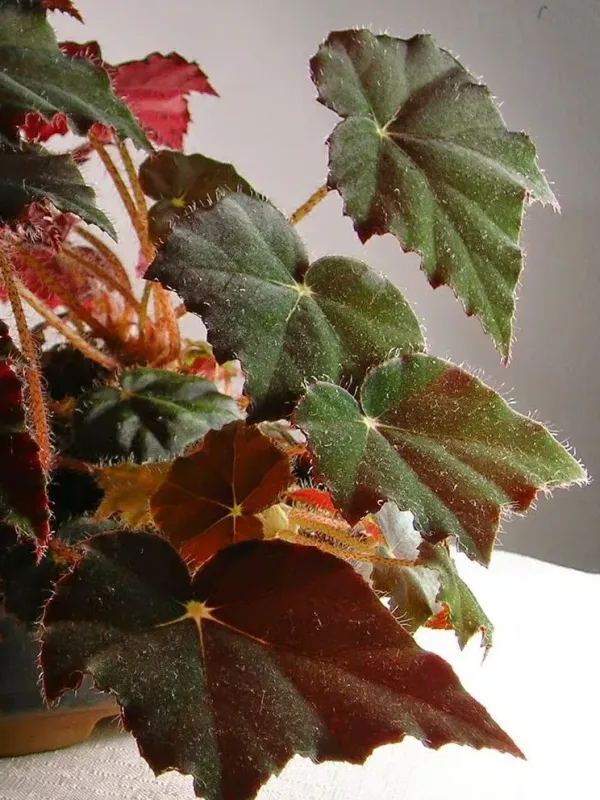
Description
Growing requirements
Begonia cleopatrae is a member of the Begoniaceae family, highly regarded for its unique maple-like leaves with intricate patterns. This decorative foliage plant is native to tropical habitats, which dictates its preference for specific indoor conditions.
To ensure healthy development, the plant requires a temperature range between 18 and 24 degrees Celsius. It is sensitive to extreme heat and cold drafts, so placing the plant in a stable environment away from HVAC vents is essential for maintaining its health.
The ideal potting mix for this species is a loose, well-draining substrate that is slightly acidic. A mix containing peat moss, leaf mold, and perlite helps maintain moisture while preventing the roots from becoming waterlogged, which is crucial for this genus.
Lighting is a major factor in foliage color intensity. Begonia cleopatrae thrives in bright, indirect sunlight. Harsh, direct sunlight will scorch the leaves, while insufficient light will cause the plant to become leggy and lose its vibrant, variegated pattern.
Cultural practices include consistent watering when the top inch of soil feels dry. Using room-temperature water is recommended. Always water at the base of the plant to keep the foliage dry, as moisture sitting on the leaves can lead to tissue damage.
Main diseases and pests
The primary threats to Begonia cleopatrae are fungal pathogens, such as powdery mildew and grey mold. These issues are frequently triggered by high humidity combined with poor airflow, which creates a breeding ground for fungal spores on the leaves.
Pests like spider mites and scale insects are common intruders. They feed on the plant's sap, leading to stunted growth and discolored spots on the leaves. Vigilant monitoring of the undersides of the leaves is the best way to catch an infestation early.
Control measures involve the application of appropriate systemic fungicides or horticultural oils for pest management. Removing severely affected leaves is often necessary to stop the spread of infection to healthier parts of the plant.
Prevention is key, involving regular plant hygiene such as cleaning the leaves and maintaining good spacing between pots. Proper airflow prevents stagnant air, which is the leading cause of most fungal outbreaks in indoor foliage cultivation.
With correct agronomic care, the plant will maintain its vitality for many seasons. Consistent fertilization during the growing season with a balanced liquid fertilizer will promote steady growth and support the development of new, healthy foliage.