
Cane-stemmed begonia
Begonia cane-stemmed
Description
Growing requirements
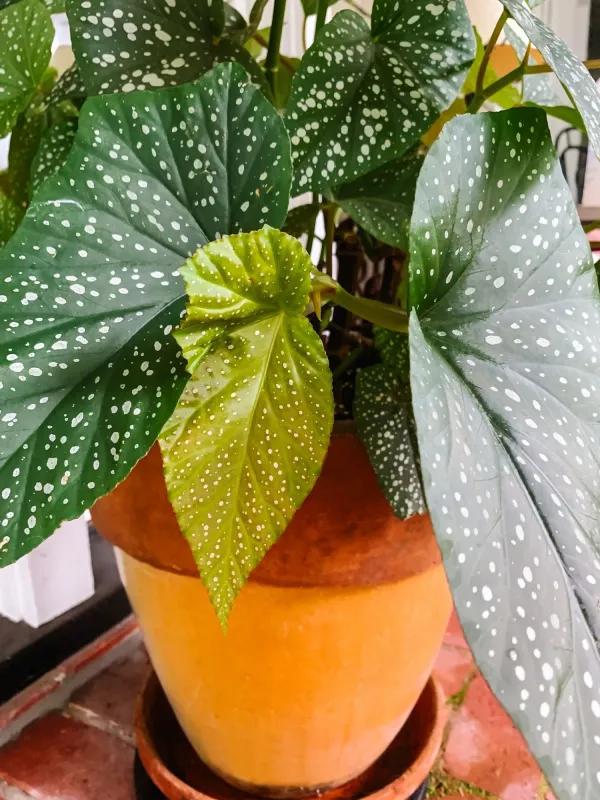
Cane-stemmed begonia (Begonia cane-stemmed) is a group of tropical plants within the Begoniaceae family, recognized for their upright, bamboo-like stems. These plants originate from the understory of tropical forests in Central and South America, adapting to low-light, high-humidity environments.
For optimal growth, these begonias require a consistent ambient temperature between 18°C and 24°C. They are highly sensitive to sudden temperature shifts and cold drafts, which can inhibit development and lead to premature leaf abscission, ultimately affecting the plant's structural integrity.
The preferred growing medium is a well-aerated, peat-based substrate with a slightly acidic pH level between 5.5 and 6.5. High drainage capacity is essential to prevent waterlogging, which is a major physiological threat to the plant's fibrous root system.
Irrigation practices must be balanced to maintain moderate soil moisture without saturation. High ambient humidity is critical for these plants; in commercial cultivation, automated misting systems or air humidifiers are often employed to maintain humidity levels at 60–70%.
Bright, indirect light is necessary for healthy photosynthesis and leaf coloration. Direct sun exposure, particularly in tropical climates, must be avoided to prevent foliar scorching, necessitating the use of specialized shading materials in greenhouse environments.
Main diseases and pests
Powdery mildew is a prevalent fungal issue in cane-stemmed begonias, occurring when air circulation is insufficient. It is characterized by a white, dusty fungal growth on leaves, which can be managed by improving ventilation and using preventative fungicides.
Spider mites are common greenhouse pests that thrive in dry, warm conditions. They feed on plant sap, causing stippling and yellowing of the foliage, and if left uncontrolled, can lead to severe plant decline and loss of aesthetic value.
Root rot, primarily caused by Pythium or Phytophthora species, is the most common pathogen-related issue, resulting from poor drainage or excessive water retention. Preventive measures include using sterile potting mixes and maintaining proper spacing between containers.
Mealybugs can infest the leaf axils and undersides of leaves, protected by their waxy coating. Effective control requires systemic insecticides or regular physical inspection and manual removal to prevent colony establishment during the peak growing season.
Bacterial leaf spot presents as water-soaked lesions that can spread rapidly under high-humidity conditions. Maintaining high standards of greenhouse hygiene and using only sterile pruning tools are the primary defenses against bacterial pathogens in these ornamental crops.