
Begonia annulata
Begonia annulata
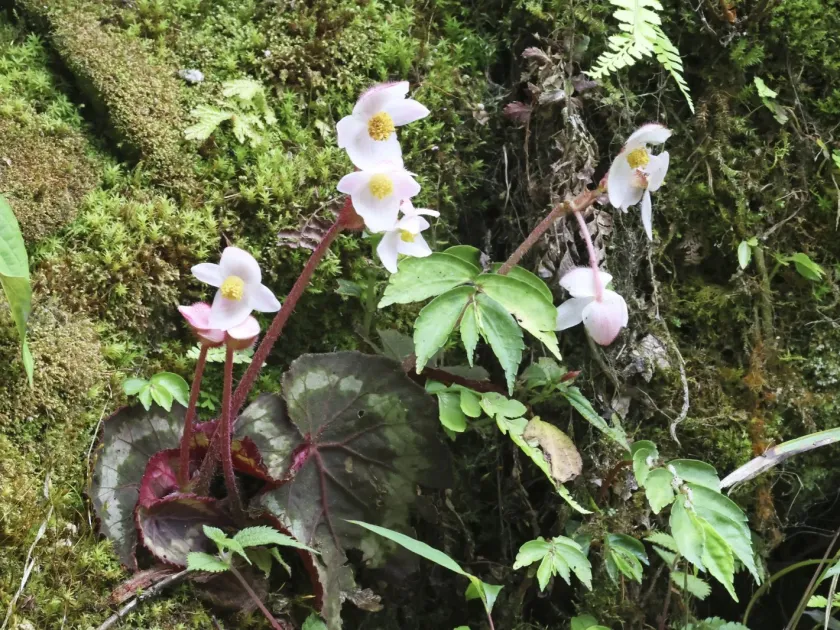
Description
Growing requirements
Begonia annulata is a perennial plant belonging to the Begoniaceae family. Originating from the tropical regions of Southeast Asia, this species is highly regarded for its distinct morphology and striking foliage.
The plant thrives in high-humidity environments, ideally between 70% and 80%. It requires a stable ambient temperature, typically ranging from 20°C to 25°C, to maintain consistent vegetative growth throughout the season.
Soil requirements for this crop include a well-draining, nutrient-rich substrate. A mixture consisting of peat moss, leaf mold, and perlite provides the necessary aeration and moisture retention required for root health.
Light management is critical, as the species requires bright, filtered light. Exposure to direct sunlight can severely damage the plant, causing leaf scorch and dehydration of the delicate tissues.
Proper water management involves keeping the substrate moist but never waterlogged. Irrigation should be applied directly to the soil to avoid leaf surface accumulation, which helps maintain plant vigor and appearance.
Main diseases and pests
Common pests include spider mites and mealybugs, which thrive in low-humidity environments. Integrated pest management, involving physical removal and mild insecticidal soaps, is often necessary to control infestations.
Pathogenic threats consist primarily of fungal infections, such as powdery mildew and root rot, which are often exacerbated by poor air circulation. Implementing proper ventilation and spacing between plants is essential for disease prevention.