
Begonia ampla
Begonia ampla
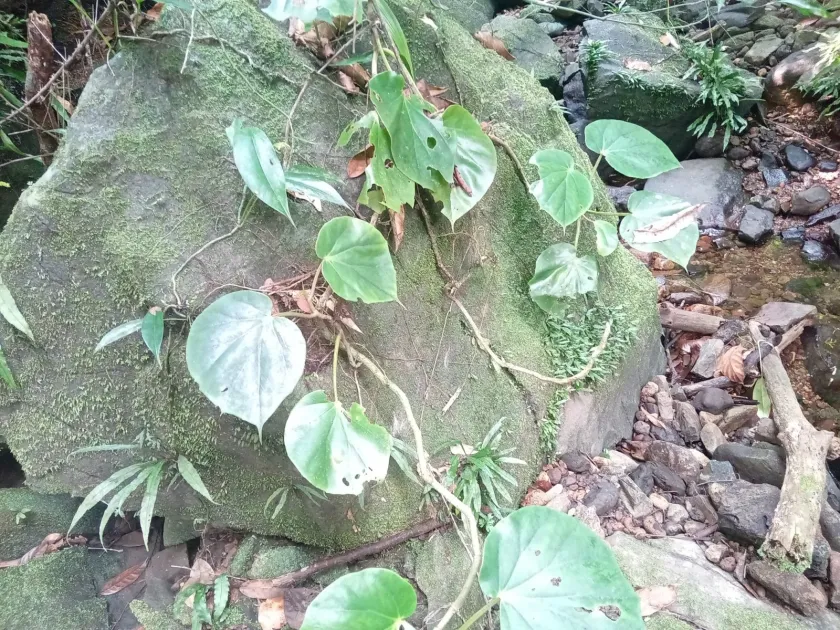
Description
Growing requirements
Begonia ampla is a distinctive species within the Begoniaceae family, recognized for its unique adaptation to tropical forest environments. Native to regions of Central and West Africa, this species often thrives as an epiphyte, colonizing tree trunks and branches in high-humidity habitats.
The botanical structure of this plant features a robust rhizomatous habit, which serves as a storage organ and support mechanism. The foliage is characteristically large and fleshy, exhibiting the asymmetric leaf shape that is synonymous with the genus, facilitating optimal light capture in shaded forest floors.
Climatic requirements for successful growth demand a warm and consistent environment, ideally maintaining temperatures between 20°C and 26°C. High atmospheric humidity is non-negotiable for this species, as it is physiologically adapted to the mist-heavy climate of its native African rainforests.
Regarding soil, Begonia ampla requires a well-aerated, loose growing medium that mimics its natural epiphytic substrate. A blend consisting of orchid bark, peat moss, and perlite provides the necessary aeration while retaining sufficient moisture to prevent the root system from desiccating.
Agricultural management requires careful attention to light and water levels. While the plant prefers bright, indirect light, it must be shielded from direct solar exposure, which can scorch the leaf surface. Regular, moderate irrigation is essential, ensuring the substrate remains damp but never waterlogged.
Main diseases and pests
The primary threats to Begonia ampla cultivation include fungal pathogens that exploit poor ventilation and excessive moisture. Diseases such as powdery mildew or various root rot complexes can spread rapidly if the ambient air remains stagnant for extended periods.
Pest management is focused on controlling common greenhouse threats like spider mites and mealybugs. These pests frequently colonize the undersides of leaves, especially in drier environments, necessitating routine monitoring and the application of appropriate biological or chemical treatments.