
Vincetoxicum sublanceolatum
Vincetoxicum sublanceolatum
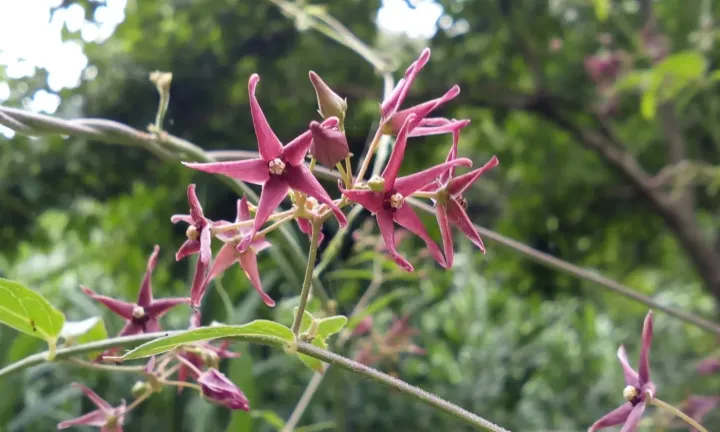
Description
Growing requirements
Vincetoxicum sublanceolatum belongs to the perennial herbaceous plant family Apocynaceae. In the wild, this species is most frequently found in the temperate latitudes of East Asia, where it grows on stony slopes and forest clearings.
This crop prefers well-drained, sandy loam, or stony soils with a moderate humus content. The plant possesses high winter hardiness, allowing it to successfully develop in climates with significant seasonal temperature fluctuations.
For optimal growth, Vincetoxicum requires sufficient lighting, although it can tolerate light shading during midday hours. The plant is sensitive to water stagnation at the roots, so cultivation on heavy clay soils requires a mandatory drainage layer.
In natural conditions, the plant demonstrates high adaptability to poor soils, but for agronomic purposes aimed at obtaining quality raw materials, the application of moderate amounts of phosphorus-potassium fertilizers is recommended. Irrigation should be regular but must avoid soil waterlogging.
A biological feature of the species is its powerful root system, ensuring viability during drought periods. The plant features erect stems, narrowly lanceolate leaves, and specific flowers collected in umbellate inflorescences characteristic of the Vincetoxicum genus.
Main diseases and pests
Vincetoxicum sublanceolatum possesses natural defense mechanisms, including the presence of specific alkaloids, which makes it unattractive to most leaf-eating insects. However, in high humidity conditions, fungal infections may occur.
The most frequent issue is powdery mildew, which manifests as a whitish coating on the leaf blades. To prevent the disease, it is recommended to maintain proper spacing between plants and remove weeds in a timely manner to improve air circulation.
Pests such as spider mites or aphids may attack young shoots during dry periods when the plant's defense mechanisms are weakened. In such cases, the use of biopesticides or washing the foliage with a mild soap solution is advised.
Root rot can occur exclusively during systematic violations of the irrigation regime and poor soil drainage. The healthy root system of the plant is virtually immune to specific bacterial diseases provided that proper agronomic practices are followed.
To maintain the health of the plantings, it is recommended to conduct preventive inspections during the active growing season and, if necessary, apply broad-spectrum fungicides permitted for use in medicinal plant production.