
Vincetoxicum schmalhausenii
Vincetoxicum schmalhausenii
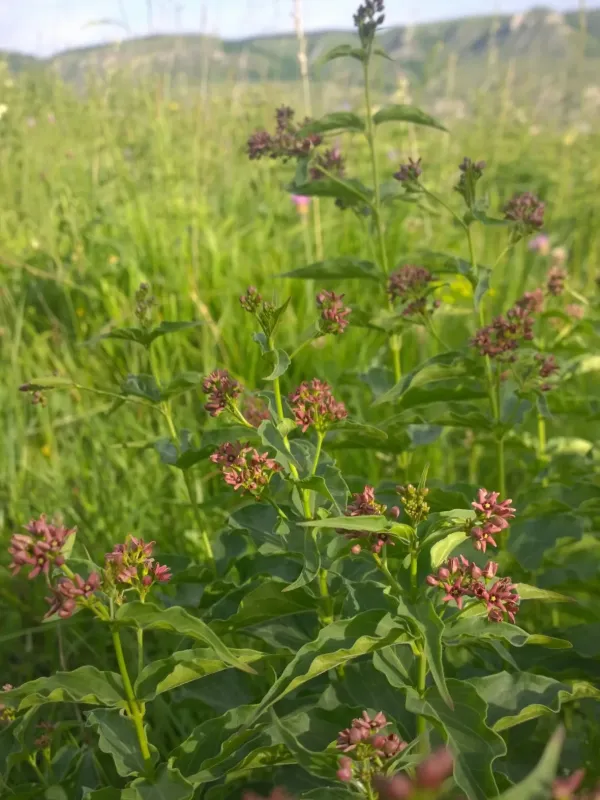
Description
Sowing dates
Cultivation of Vincetoxicum schmalhausenii begins with seed propagation, which requires a specific stratification process. Sowing should ideally occur in late autumn, allowing the seeds to undergo natural winter chilling to break dormancy effectively.
If spring planting is preferred, seeds must be artificially stratified by placing them in a cool environment, typically between 2 to 5 degrees Celsius, for a duration of at least two months before being sown into the prepared seedbed.
The optimal sowing depth is relatively shallow, usually around 1 to 1.5 centimeters. This depth ensures that the seeds receive sufficient moisture while still being able to emerge through the soil surface without excessive energy expenditure.
Row spacing should be maintained at approximately 40 to 50 centimeters. This distance is necessary to allow for adequate airflow and to prevent the spread of diseases, while also facilitating mechanical weeding between rows.
Seedlings develop into a basal rosette during their first growing season, establishing a robust root system. Commercial harvest or active vegetative usage typically begins in the second or third year once the plant has matured sufficiently.
Growing requirements
Vincetoxicum schmalhausenii is a member of the Apocynaceae family and thrives in conditions mimicking its native steppe and forest-steppe habitats. It requires a sunny, well-lit location to achieve optimal growth and secondary metabolite production.
Well-drained, loose, and fertile soil is essential for this species. It does not tolerate waterlogging, which often leads to root decay, therefore, adding sand or organic amendments to heavier soils is highly recommended before planting.
The plant prefers a neutral or slightly alkaline pH level. While it displays a moderate level of drought tolerance once established, consistent irrigation during the peak flowering stage is beneficial for maintaining the health and yield of the plant.
Nutrient management involves a balanced approach with moderate nitrogen during early growth, transitioning to higher potassium and phosphorus levels as the plant approaches the blooming phase to support root and flower development.
The species is well-adapted to the climatic conditions of the temperate zone, showing resilience to winter temperatures. However, providing a light mulch cover during the first winter can protect young plants from sudden, severe frost cycles.
Main diseases and pests
Root rot, primarily caused by excessive soil moisture and poor drainage, remains the most significant threat to the health of Vincetoxicum schmalhausenii. Proper soil preparation and controlled watering are the primary preventative measures.
Aphids can be a common pest, particularly during warm and dry periods when they colonize the shoots and flowers. Targeted application of botanical or systemic insecticides may be necessary if infestation levels exceed a specific economic threshold.
Weed competition poses a significant risk to young plants. Regular weeding, especially during the first year of growth, is vital to prevent nutrient theft and light interception by aggressive weed species growing around the base of the plant.
Spider mites may occasionally emerge as a problem in low-humidity environments. Maintaining proper air circulation and avoiding excessively dry conditions in the field can effectively reduce the risk of spider mite outbreaks.
Fungal diseases like leaf spot may occur if plant density is too high. Ensuring proper plant spacing and maintaining hygiene by removing dead or infected foliage are essential practices for managing potential disease spread in a production field.