
Cretan swallow-wort
Vincetoxicum creticum
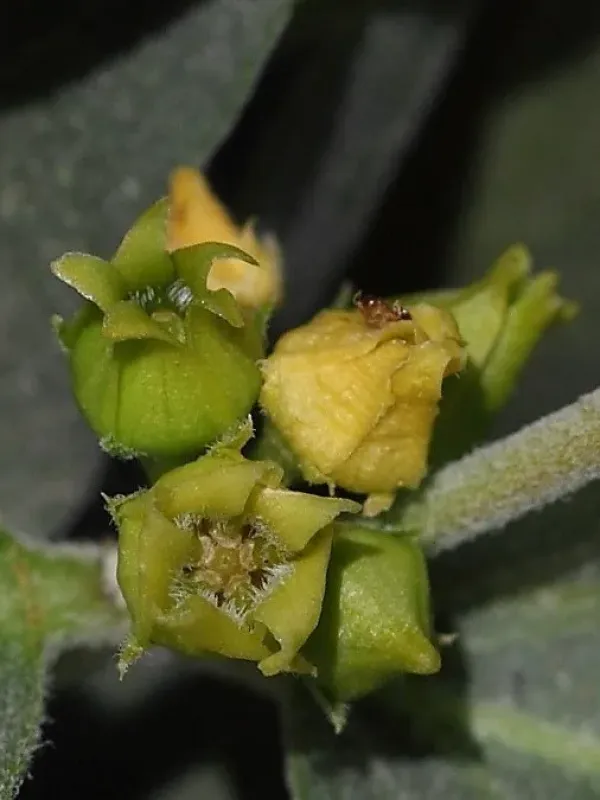
Description
Growing requirements
Cretan swallow-wort (Vincetoxicum creticum) belongs to the Apocynaceae family and is an herbaceous perennial native to the Mediterranean region. It is recognized for its adaptation to dry and rocky terrain.
The cultivation of this plant requires well-draining soil to prevent root rot, which is the most common cause of crop failure. Sandy or gravelly soil types are ideal for replicating its natural habitat conditions.
It thrives in full sunlight, necessitating an open location without significant shading. Adequate light exposure is essential for the development of its specialized chemical compounds, which are often the focus of its cultivation.
Regarding climate, the plant prefers warm environments with mild, relatively dry winters. It is highly drought-tolerant once established, making it suitable for regions with limited rainfall during the summer months.
Agricultural practices involve minimal soil intervention, focusing instead on weed control and maintaining appropriate nutrient levels. Propagation is typically achieved via seeds or division of existing mature rootstocks.
Main diseases and pests
The primary threats include fungal pathogens that thrive in high humidity or poorly drained soil conditions. Maintaining air circulation around the plants is essential for preventing leaf and root infections.
Pests such as aphids and spider mites can attack the plants during particularly hot and dry periods. Integrated pest management strategies, avoiding harsh synthetic pesticides, are recommended to maintain raw material quality.
Competition from aggressive weeds can stunt growth, especially in the first year after planting. Manual weeding is highly effective for maintaining the cleanliness of the plantation without damaging the sensitive root systems.
Viral diseases are uncommon but can occur if infected planting material is introduced. Utilizing certified seeds or nursery-grown plants is a standard precaution in professional crop production.
In conclusion, the health of the Cretan swallow-wort crop depends on strict adherence to drainage requirements and routine monitoring for common pests, ensuring a stable and high-quality yield.