
Stephanotis grandiflora
Stephanotis grandiflora
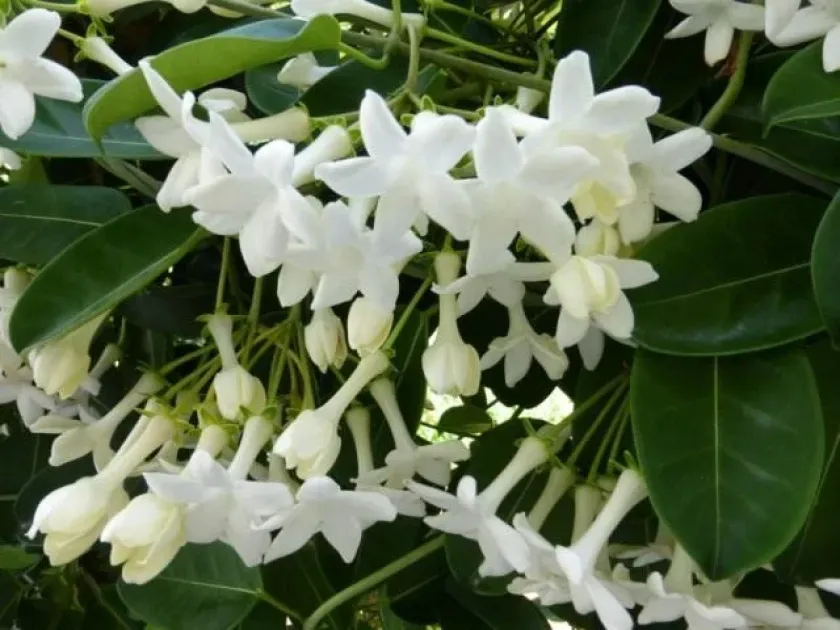
Description
Growing requirements
Stephanotis grandiflora is a notable member of the Apocynaceae family. This evergreen climbing vine is native to the tropical rainforests of Madagascar, where it grows as a vigorous climber, often reaching significant lengths in its natural habitat.
The plant thrives in stable temperatures ranging from 18 to 25 degrees Celsius. It is highly sensitive to cold drafts and sudden temperature fluctuations, which can lead to premature leaf drop or the abortion of flower buds.
Soil requirements for this crop include a fertile, well-draining substrate. A mix of peat, leaf mold, and coarse sand is ideal to ensure proper aeration and prevent moisture stagnation, which is critical for healthy root development.
Light intensity plays a vital role in the success of the plant. It requires bright, indirect sunlight to sustain its rapid growth and abundant flowering. Exposure to harsh, direct midday sun should be avoided to prevent foliar scorching.
Agronomic practices for this species focus on a consistent watering regime and regular fertilization. During the growing season, a balanced liquid fertilizer should be applied every two weeks to support the metabolic needs of the plant.
Main diseases and pests
Stephanotis is prone to several common indoor pests, particularly when humidity levels fall below the required threshold. The most prevalent threats include spider mites, mealybugs, and scale insects.
Spider mites are identified by fine webbing and stippling on the leaves. To mitigate this risk, it is essential to maintain high ambient humidity and perform periodic misting or use specific acaricides when infestations occur.
Mealybugs appear as white, cotton-like clusters, typically found in leaf axils. They feed on plant sap and can severely weaken the vine; treatment involves targeted manual removal or the application of systemic insecticides.
Scale insects present as small, hardened brown bumps on stems and foliage. Because of their protective coverings, they can be difficult to eradicate without the use of effective systemic chemical controls.
Fungal issues, such as root rot, often occur due to improper watering and poor soil drainage. Maintaining a proper irrigation balance and ensuring good air circulation around the plant are the best preventative measures against such diseases.