
Stephanotis
Stephanotis
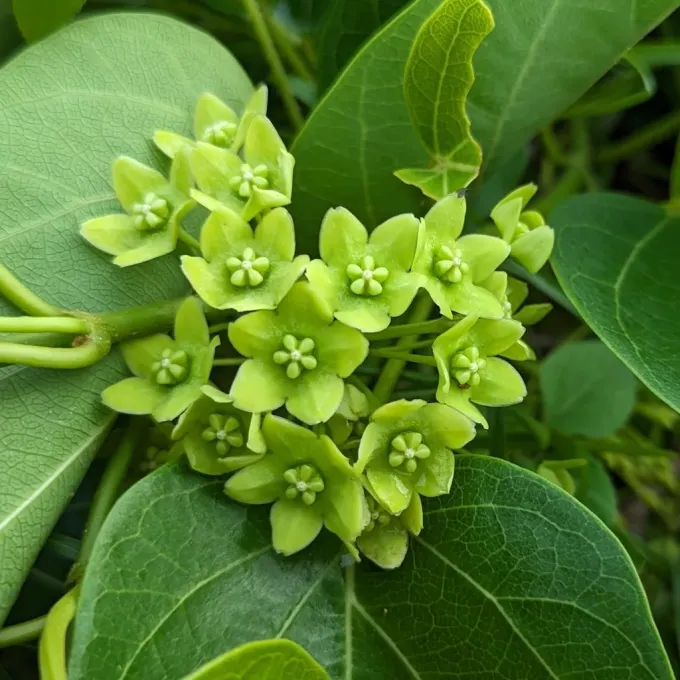
Description
Growing requirements
Stephanotis is a genus of evergreen woody climbing plants belonging to the Apocynaceae family. Known commonly as Madagascar jasmine, it is highly valued in horticulture for its intensely fragrant, waxy white flowers and glossy foliage.
The plant originates from tropical and subtropical regions of Madagascar and parts of East Asia. To thrive, it requires a high-light environment with protection from harsh, direct midday sun, which can scorch the leaves.
Regarding soil requirements, Stephanotis prefers a rich, well-draining potting medium. A mixture of loam, peat moss, and coarse sand provides the necessary aeration and structural integrity for the root system to prevent anaerobic conditions.
Temperature management is critical for the development of the plant. It requires warm conditions during the growth season, ideally between 18°C and 25°C, while needing a cooler dormancy period during winter to initiate future flower buds.
Humidity control is essential for the health of the plant. It requires a relative humidity level of at least 60%. Frequent misting or the use of humidity trays is recommended to mimic its native tropical forest microclimate.
Main diseases and pests
The most common pests affecting Stephanotis are mealybugs, scale insects, and spider mites. These pests thrive in dry environments and can quickly damage the plant by extracting sap from tender new growth and leaves.
Root rot is the primary disease concern, typically triggered by overwatering or poor drainage. This condition quickly leads to systemic decline, often characterized by sudden wilting even when the soil appears moist.
Fungal leaf spot diseases can occur if the foliage remains wet for extended periods, especially in poor air circulation conditions. It is important to avoid overhead watering whenever possible to prevent leaf infections.
Biological control or targeted chemical applications are necessary for managing infestations. Regular monitoring of leaf undersides is recommended to detect pest populations before they cause significant aesthetic or physiological damage.
Cultural prevention practices include maintaining optimal environmental conditions and avoiding drastic temperature fluctuations. Proper air movement around the plant canopy is a key preventive measure against most common fungal pathogens.