
Rauvolfia vomitoria
Rauvolfia vomitoria
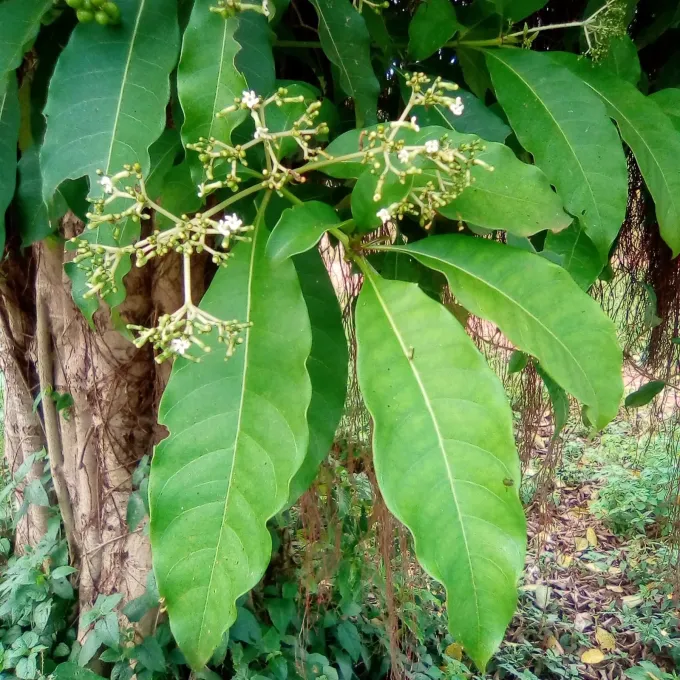
Description
Sowing dates
Rauvolfia vomitoria is a prominent member of the Apocynaceae family, known globally for its medicinal importance. It is a perennial evergreen shrub or small tree, native to the tropical forests of Africa.
Propagation is typically done through seeds, which require specific handling including soaking to overcome dormancy and promote uniform germination. Seed propagation is preferred for maintaining genetic diversity in experimental plantations.
In commercial operations, cuttings are also used to ensure consistency in alkaloid yields. Cuttings must be placed in a humid, shaded environment to stimulate rooting, typically requiring high-quality rooting hormones.
Seedlings are raised in nurseries until they reach a suitable size for transplantation. This phase lasts several months, during which the plants are protected from harsh weather conditions and direct sunlight.
Transplanting into the field is best performed at the onset of the rainy season. A spacing of about 1 meter by 1 meter is standard, allowing sufficient air circulation and preventing the spread of fungal diseases.
Growing requirements
This species is strictly tropical, requiring consistent high temperatures throughout the year to maintain its metabolism. Growth is significantly retarded if temperatures fall below 20 degrees Celsius.
Moisture availability is critical; while the plant thrives in areas with heavy rainfall, it requires well-drained soils to prevent root rot. Seasonal irrigation is necessary in regions with a distinct dry season.
Soil quality should be high, preferably deep and fertile with a slightly acidic pH. The plant benefits from soils rich in organic matter, which enhances both growth speed and active substance accumulation.
Partial shade is ideal for young plants, reflecting its natural habitat in the forest understory. As the plant matures, it can tolerate more exposure, although moderate shade helps maintain leaf health.
Soil fertility management involves regular application of compost or organic fertilizers. Proper nutrient supply is linked to higher concentrations of alkaloids in the bark of the roots, which is the desired product.
Yield
The economic value of Rauvolfia vomitoria lies in its root bark, which contains the potent alkaloid reserpine. Harvesting is an intensive process, as the plants require several years of growth to achieve industrial yield.
Plants generally reach peak maturity for harvesting around three to four years of age. Premature harvesting results in low alkaloid concentrations and is usually considered economically inefficient.
Average yield per hectare can range from 2 to 4 metric tons of dried root material, depending on the management intensity, plant health, and soil quality. Productivity is strictly monitored by pharmaceutical processors.
Harvesting requires manual labor to carefully extract roots without damaging the delicate bark. Once extracted, the roots are cleaned thoroughly to remove all soil and contaminants before further processing.
Standardization is a key step in production, involving chemical analysis to ensure the raw material meets pharmaceutical specifications, particularly concerning the percentage of active compounds.
Main diseases and pests
Fungal pathogens are the most common threat to Rauvolfia plantations. Root rot, caused by excessive humidity or poor soil drainage, can decimate a crop within a single season if not addressed promptly.
Pests such as aphids and scale insects target the foliage, weakening the plant and sometimes acting as vectors for viral diseases. Integrated pest management, focusing on biological controls, is highly recommended.
Nematodes are a significant underground threat that can severely restrict root development. Once a plantation is infested, it is difficult to treat, making preventative measures like crop rotation vital.
Leaf-eating caterpillars or mites may cause defoliation during drier periods. Regular monitoring and physical removal of infected parts are effective strategies to prevent the widespread use of chemical pesticides.
Proactive care, including sanitation of tools and clearing infected residues from the field, helps maintain the health of the entire plantation and ensures sustainable production over many years.
Harvesting
Harvesting is planned according to the age of the shrubs to ensure the highest yield of medicinal bark. Careful planning and scheduling are required to maintain a continuous supply for processing facilities.
Manual extraction is the preferred method for root harvesting, ensuring that even thin roots are collected without stripping the bark. This preserves the medicinal value of the final raw product.
Post-harvest processing involves washing the roots with clean water and immediately separating the bark from the woody inner part. This separation is critical to concentrate the valuable compounds.
Drying must be conducted in controlled conditions, typically at low temperatures (under 50 degrees Celsius), to prevent thermal degradation of the alkaloids, which are sensitive to heat and oxidation.
Proper packaging in moisture-proof, breathable containers is necessary for storage and transport. Storing the product in a cool, dark environment maintains the chemical potency of the extract until it reaches the buyer.