
Rauvolfia nitida
Rauvolfia nitida
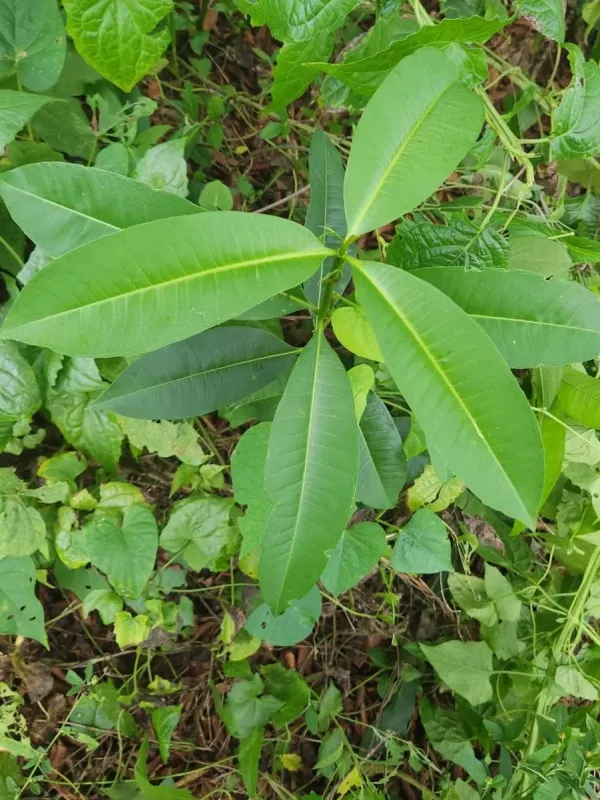
Description
Growing requirements
Rauvolfia nitida, belonging to the Apocynaceae family, is an evergreen shrub or small tree native to the Caribbean region. It thrives in tropical climates characterized by high humidity and consistent temperatures.
The plant grows best in well-drained, nutrient-rich soils. While it can tolerate partial shade, it prefers locations with significant exposure to indirect sunlight to support its physiological growth.
Climate requirements strictly exclude freezing temperatures. The plant requires a frost-free environment year-round, making it a specialized crop for tropical zones or controlled greenhouse settings.
Water management is crucial. The soil must remain consistently moist but never waterlogged, as poor drainage is the primary cause of root rot in this species.
Its botanical structure includes characteristic glossy, dark green leaves and small, white, fragrant flowers that evolve into black, berry-like drupes upon maturation.
Yield
The agricultural value of Rauvolfia nitida lies primarily in its roots, which are harvested to extract alkaloids used in the production of cardiovascular and sedative medications.
Commercial yields depend on the accumulation of these metabolites in the root system. Producers typically manage long-term plantations to ensure that plants reach peak maturity before harvesting.
Agronomic practices focus on maximizing root biomass through balanced fertilization and meticulous weed management during the establishment phase of the plantation.
Harvesting efficiency is determined by the careful extraction of the root mass, ensuring minimal tissue damage to maintain the stability of the active pharmacological compounds.
Post-harvest handling, including proper drying and storage, is vital to prevent the degradation of alkaloids, ensuring the final raw material meets industrial and pharmaceutical standards.
Main diseases and pests
Root rot caused by pathogenic fungi is the most significant threat to Rauvolfia nitida. This is usually exacerbated by improper irrigation practices and poor soil aeration.
Pests such as scale insects and mealybugs frequently colonize the foliage, draining the plant's resources and predisposing it to secondary fungal infections.
Integrated Pest Management (IPM) strategies are recommended to maintain plant health while ensuring the raw material remains free from harmful chemical residues.
Preventive measures include maintaining appropriate plant spacing to improve air circulation and implementing strict sanitation protocols to remove any infected plant matter promptly.
Regular monitoring of moisture levels in the root zone is the most effective way to prevent the development of opportunistic diseases that could jeopardize the entire plantation.