
Rauvolfia ligustrina
Rauvolfia ligustrina
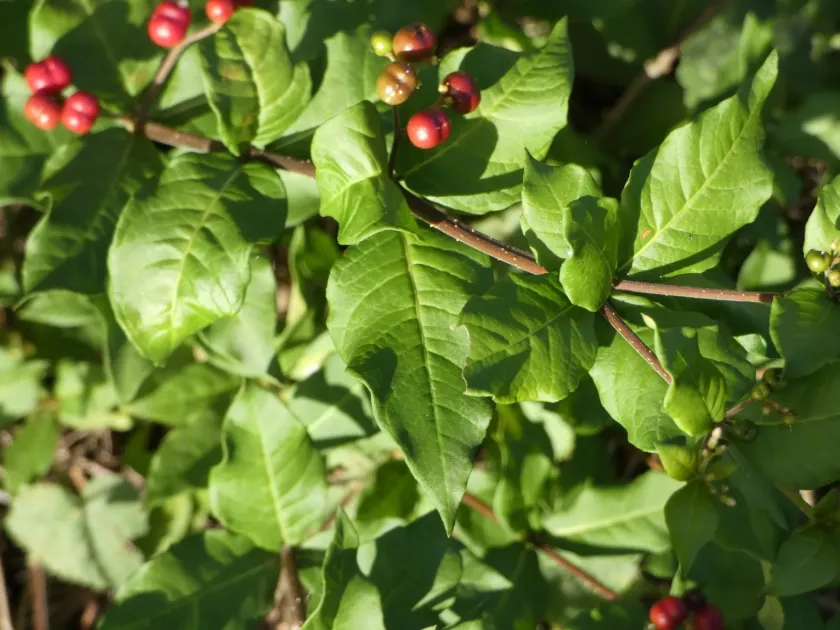
Description
Growing requirements
Rauvolfia ligustrina is a perennial evergreen shrub belonging to the Apocynaceae family. It is recognized for its botanical significance and chemical composition, which includes various alkaloids utilized in traditional and modern medicine.
Originating from the tropical regions of the Caribbean and Central America, the plant is naturally adapted to humid forest ecosystems. It typically grows as an understory species, thriving in environments that provide moderate shade and stable temperatures.
Soil requirements focus on high organic content, good aeration, and excellent drainage. The species is sensitive to waterlogging, which can cause root decay, so selecting sites with a slight slope or sandy loam soil structure is highly recommended for commercial production.
The climate must be tropical or subtropical, ensuring that frost never occurs. Rainfall should be well-distributed throughout the year to maintain steady vegetative growth, which is essential for the accumulation of active phytochemical compounds.
The economic value of this crop is primarily found in its pharmaceutical potential. It is cultivated for the production of standardized extracts used in hypertensive treatments and as a mild sedative agent in specialized medical therapies.
Main diseases and pests
The primary threats to cultivation include soil-borne fungal pathogens that thrive in consistently damp environments. Root rot and damping-off can devastate young plantations if drainage protocols are not strictly followed by agronomists.
Pests such as aphids and mealybugs frequently colonize the tender foliage of the shrub, leading to stunted growth. Integrated pest management strategies, emphasizing beneficial insects, are preferred over broad-spectrum chemical sprays.
Nematode infestations can also inhibit root function, leading to a visible decline in the overall health and vigor of the shrubs. Soil solarization or proper crop rotation is often employed to mitigate these underground threats before planting.
Virus transmission via sap-sucking insects is another significant risk factor. Maintaining field hygiene, including the removal of infected plant materials, is crucial to prevent the rapid spread of viral pathogens across the plantation.
Careful application of fertilizers is necessary, as an imbalance in soil nutrients can render the plants more susceptible to environmental stress and secondary infections. Soil testing should be performed annually to ensure optimal nutrient levels.