
Quinine tree
Rauvolfia caffra
Description
Growing requirements
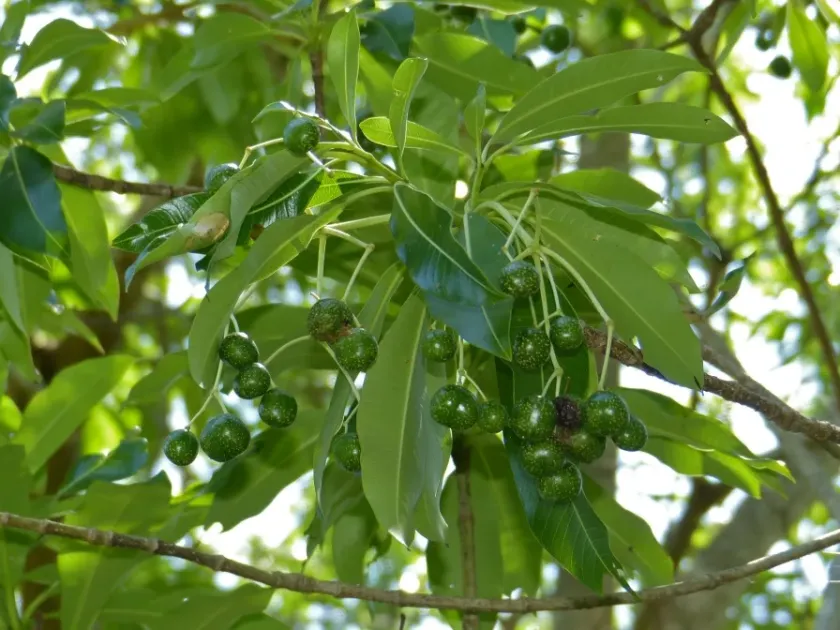
Rauvolfia caffra, commonly known as the quinine tree, is a prominent evergreen member of the Apocynaceae family. It is recognized for its significant stature and its historical value in traditional and modern medicinal applications due to its alkaloid-rich bark.
The species originates from tropical Africa, naturally inhabiting riverine forests, woodland areas, and mountain slopes. Its growth is primarily restricted to frost-free tropical or subtropical zones where high annual precipitation supports consistent year-round development.
Optimal growth requires well-draining, nutrient-rich soils with a neutral or slightly acidic profile. The species is highly sensitive to cold, making climate control the most critical factor for successful cultivation, especially during the initial stages of establishment in a nursery.
Agricultural management includes regular irrigation and the maintenance of appropriate soil moisture levels. While mature trees possess a degree of drought tolerance, consistent water availability is essential for maximizing the yield of bark, which contains the key secondary metabolites.
The primary economic focus for this crop is the pharmaceutical sector. Extracts derived from the roots and bark are utilized in the synthesis of antihypertensive medications and drugs targeted at treating nervous system disorders, demonstrating the plant's high pharmacological significance.
Main diseases and pests
The quinine tree is susceptible to several pest threats, most notably aphids and scale insects, which can severely impact young foliage. Root rot and fungal infections pose significant risks in poorly drained substrates, necessitating strict management of irrigation and soil aeration.