
Plumeria pudica
Plumeria pudica
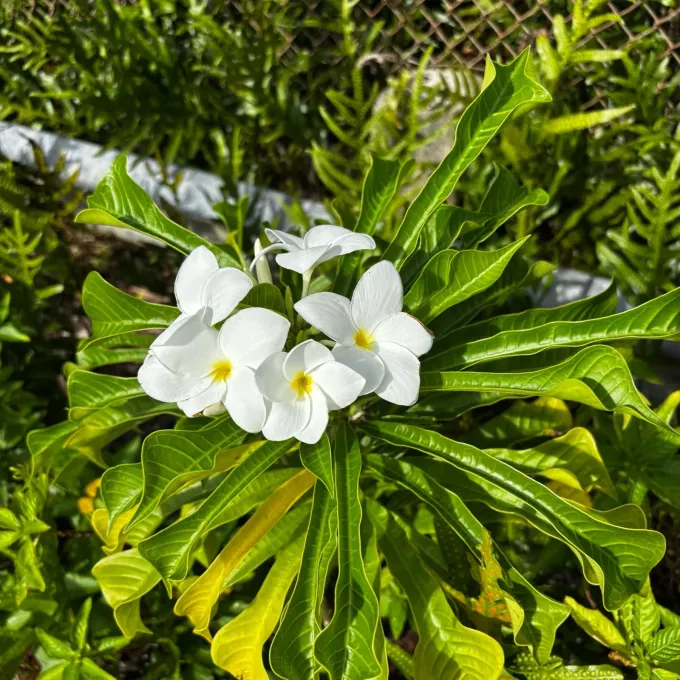
Description
Growing requirements
Plumeria pudica, commonly known as the fiddle leaf plumeria, is a perennial flowering shrub or small tree belonging to the Apocynaceae family. Its natural origin is traced back to Panama and Colombia, where it thrives in tropical environments with consistent temperatures.
This species is distinct due to its unique, fiddle-shaped leaves and long-lasting, pure white, umbrella-like clusters of flowers. Unlike other plumeria varieties, it often maintains its foliage year-round in favorable conditions, making it a highly prized ornamental plant.
To cultivate Plumeria pudica successfully, it requires full sun exposure for at least six to eight hours per day. Insufficient light results in elongated, leggy stems and poor flower production, which significantly reduces the aesthetic and commercial value of the plant.
The ideal soil medium is a well-draining, aerated mix, such as a combination of peat moss, perlite, and coarse sand. Since the plant is susceptible to root rot, the drainage holes in the container must be unobstructed to ensure adequate water runoff after irrigation.
Fertilization is crucial during the growing season. A balanced, water-soluble fertilizer or a specialized formula with increased phosphorus levels promotes continuous blooming. Proper maintenance also involves pruning, which encourages branching and helps maintain the desired compact shape of the bush.
Main diseases and pests
Common pests that affect Plumeria pudica include spider mites, mealybugs, and whiteflies. These insects often thrive in warm, dry indoor environments, making regular inspection and humidity management essential for integrated pest control.
Root rot is the most serious threat caused by overwatering or poor drainage. Symptoms include yellowing leaves, stem softness, and stunted growth. To prevent this, growers must ensure the substrate dries out sufficiently between waterings and use sterile tools for any necessary pruning.