
Silk vine
Periploca graeca
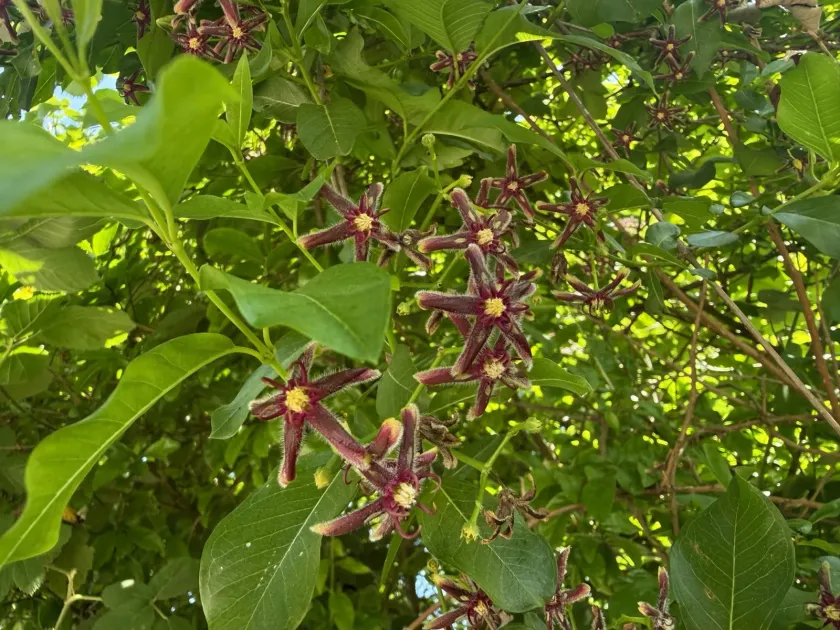
Description
Growing requirements
The Silk vine (Periploca graeca) is a vigorous, deciduous, woody climbing plant that belongs to the Apocynaceae family. It is renowned for its rapid growth and high ornamental value in gardens and public spaces.
Its natural range encompasses Southern Europe, the Caucasus, and parts of Western Asia. In these regions, it typically grows in forest margins, riverbanks, and scrublands where it utilizes surrounding trees as physical support.
For optimal development, this culture requires a sunny or partially shaded location. It performs best when sheltered from strong, drying winds that can damage its climbing stems and foliage during the growing season.
The plant thrives in deep, fertile, and well-drained soils. While it can adapt to various soil types, it performs best in neutral to slightly alkaline loams. Proper drainage is essential to prevent root rot in wetter climates.
Agricultural and gardening management involves providing sturdy trellis systems or fences. Given its intense growth, regular pruning is necessary to contain the plant within the desired landscape area and promote density.
Main diseases and pests
Aphids are the most common pests that infest the tender new growth of the Silk vine during warm, dry periods of the spring and early summer.
Fungal issues, such as leaf spot diseases, can occasionally occur, particularly if the plant is grown in areas with poor airflow and excessive humidity around the foliage.
Winter hardiness can be a limiting factor in northern regions, where young plants may suffer from frost damage to their leading shoots if left unprotected.
The plant is generally resistant to many common pests due to the presence of cardiac glycosides in its tissues, which function as a natural defense mechanism.
Preventive care, including the removal of dead or crossing branches in late winter, is the best strategy to maintain plant health and minimize the impact of localized pathogen outbreaks.