
Pachypodium hybrids
Pachypodium hybrids
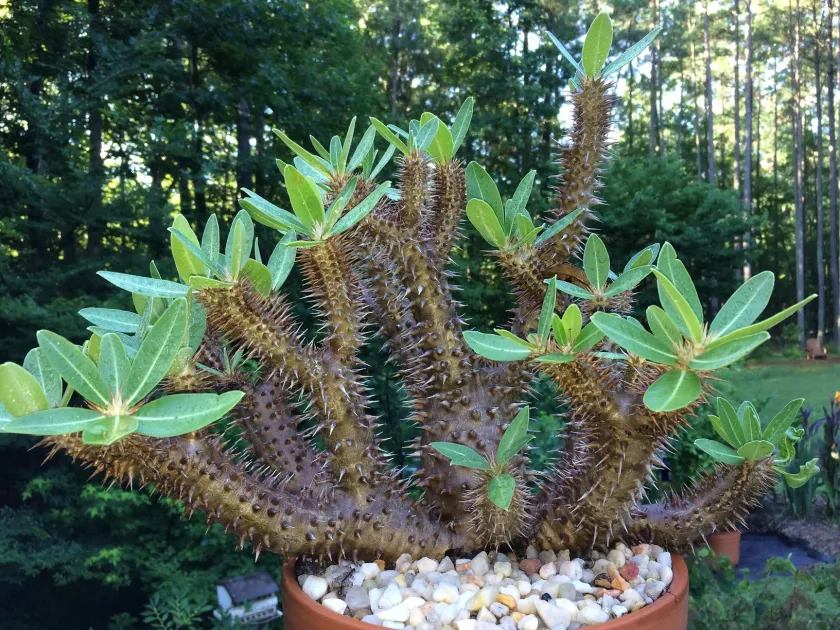
Description
Sowing dates
Pachypodium hybrids are typically propagated from seeds, requiring a stable temperature range of 25–28°C to ensure successful germination. Spring is the optimal time for sowing, as increasing daylight hours provide the necessary energy for young seedlings.
Seeds should be sown in a sterile, loose substrate composed of sand, perlite, and a small portion of peat. It is essential to maintain consistent moisture on the surface without causing waterlogging, which is critical for preventing seedling damping-off.
Using a mini-greenhouse with adjustable ventilation is recommended to maintain both humidity and proper gas exchange. Regular aeration helps manage condensation levels, creating a safe environment for the sensitive germination phase.
Pricking out the seedlings should be performed once the second pair of true leaves has developed. Because the root system is delicate and slow-growing, handling must be exceptionally gentle to avoid mechanical stress and ensure high survival rates.
After the initial transplanting, seedlings require a gradual acclimatization period of two to three weeks. This involves slowly increasing ventilation and light exposure to toughen the plants before moving them into standard growing conditions.
Growing requirements
Pachypodium hybrids belong to the Apocynaceae family and are classified as succulents adapted to arid environments. Their physiology is highly specialized, requiring specific agricultural practices to manage their seasonal water needs and growth cycles.
The culture requires intense, direct sunlight throughout the active growing season. Adequate light is necessary for healthy stem development and the growth of robust spines, which are characteristic of this plant group and essential for its structural integrity.
The growing substrate must possess excellent drainage capabilities. A specialized cactus and succulent mix, enhanced with gravel or crushed rock, is required to prevent water from accumulating around the roots and causing physiological damage.
During the summer, the temperature should be maintained between 22–30°C. During the winter dormancy period, it is vital to reduce temperatures to 15–18°C and significantly restrict irrigation to support the plant's natural rest cycle and prevent rot.
Irrigation management is critical: the substrate must dry out completely between waterings. Excessive moisture, especially during low-light winter months, is the primary cause of root and stem rot, often leading to rapid plant failure.
Main diseases and pests
Common pests affecting Pachypodium hybrids include spider mites and mealybugs. These insects thrive in dry conditions, feeding on the plant's sap and causing visible tissue damage, deformation, and an overall decline in plant vitality.
Fungal diseases, including root rot and stem rot, are primarily caused by over-irrigation or inadequate soil aeration. Affected areas typically become soft and discolored, necessitating immediate surgical removal of the tissue and systemic fungicide application.
Integrated pest management strategies involve the use of systemic insecticides and acaricides when infestations are detected. Early intervention is essential to prevent the spread of pests and minimize the long-term impact on the plant's health.
Maintaining high standards of plant hygiene, including the sterilization of tools and the use of fresh, well-draining soil, significantly reduces the risk of infection. Vigilant observation of the upper leaf rosettes is recommended.
While Pachypodium is known for its resilience, maintaining a controlled microclimate is vital for preventing biotic and abiotic stress. Consistent monitoring allows the grower to address potential issues promptly and maintain the plant's decorative value.