
Oleander
Nerium odorum
Description
Growing requirements
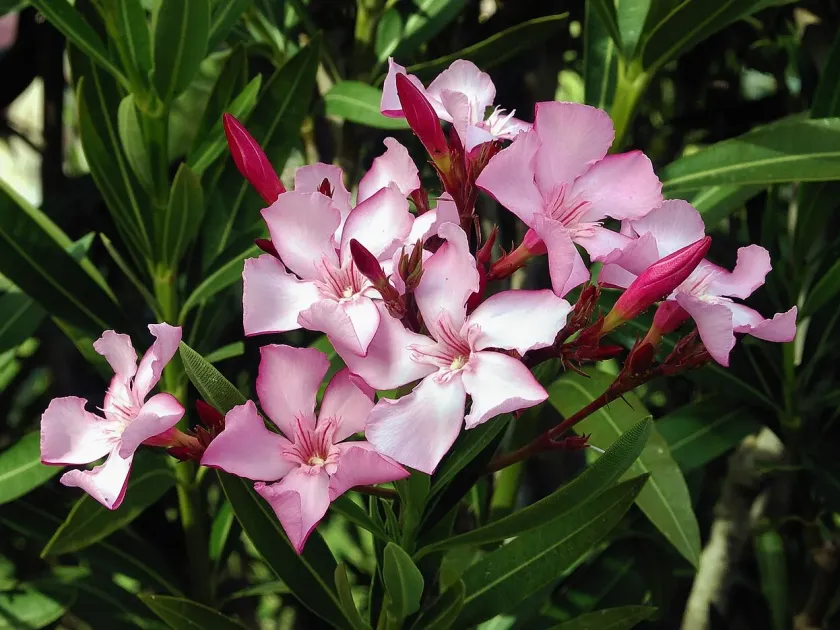
Oleander (Nerium oleander, synonym Nerium odorum) is a robust evergreen shrub belonging to the Apocynaceae family. Native to the Mediterranean region and subtropical Asia, it is widely recognized for its elegant, lanceolate leaves and showy, fragrant flowers that bloom throughout the warm season.
This crop thrives in full sun, which is essential for stimulating floral production and maintaining a dense, healthy canopy. In greenhouse or indoor conditions, provide at least six hours of direct sunlight daily to prevent etiolation of the branches.
The plant is versatile regarding soil types but prefers well-drained, loam-based substrates enriched with organic matter. While it is naturally drought-tolerant once established, container-grown plants require consistent soil moisture to support their intense blooming period.
Temperature requirements are stringent: while mature plants can withstand short periods of light frost, temperatures consistently below freezing cause significant damage. In temperate regions, it is cultivated in pots that are moved indoors during the winter months.
Cultivation practices include annual pruning performed after the flowering season to manage height and encourage branching. Regular fertilization with a balanced NPK fertilizer during the growth phase supports optimal development and vibrant flower color.
Main diseases and pests
The most common pests affecting oleander are aphids, spider mites, and scale insects. These pests often congregate on the undersides of leaves or along the stems, causing stunted growth and yellowing of the foliage due to sap loss.
Effective pest management involves regular monitoring and the use of horticultural oils or systemic insecticides. Ensuring proper air circulation around the plants helps to mitigate the spread of these insects, particularly in protected environments.
Bacterial diseases such as oleander knot (caused by Pseudomonas savastanoi) represent a severe threat. This disease manifests as unsightly galls or tumors on stems and leaves, requiring the removal and destruction of infected parts to prevent spread.
Fungal issues, such as leaf spot or botrytis, may occur in conditions of excessive humidity. Improving drainage and reducing overhead watering are key strategies to prevent these pathogens from taking hold during the cooler parts of the year.
Due to the presence of potent cardiac glycosides throughout the plant, all parts are toxic if ingested. Agricultural workers must wear gloves when handling, pruning, or propagating oleander to avoid skin irritation or accidental poisoning.