
Holarrhena mitis
Holarrhena mitis
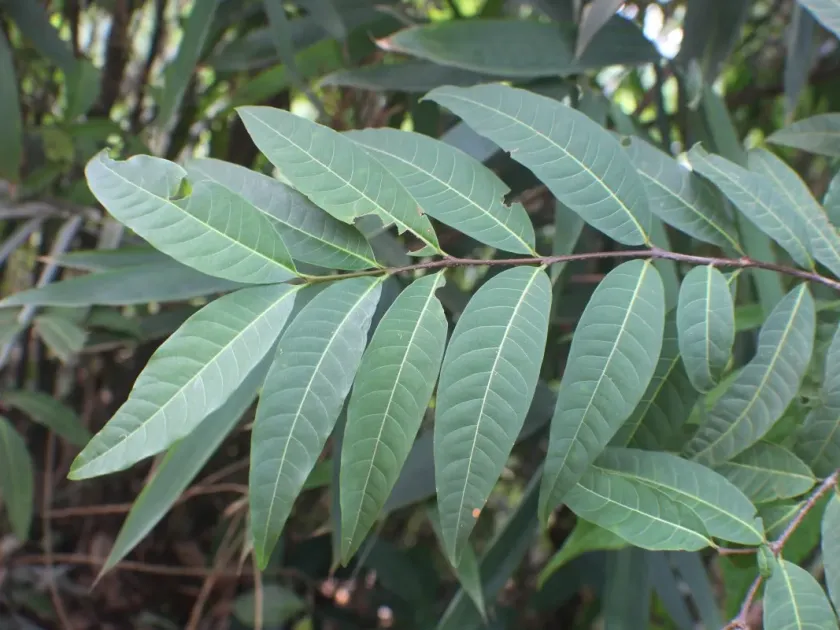
Description
Growing requirements
Holarrhena mitis is a tropical evergreen tree belonging to the Apocynaceae family. Native to the forests of Sri Lanka, it is recognized for its unique botanical profile and significant utility in both timber production and traditional pharmacopoeia.
The species thrives in warm, humid tropical climates where temperatures remain consistently high. It requires a stable environment without extreme fluctuations, preferring areas that receive significant annual rainfall to support its robust vegetative growth.
Regarding soil requirements, Holarrhena mitis prefers well-drained, fertile loams that allow for proper root aeration. It is intolerant of waterlogged conditions, which can lead to rapid root deterioration; thus, planting on slightly elevated or well-sloped terrain is recommended.
While the tree benefits from ample sunlight in its mature stage, young plants require partial shading to protect them from excessive heat stress. Adequate spacing during plantation establishment is essential to facilitate canopy development and ensure long-term sustainability.
The economic importance of this crop extends to its medicinal properties, specifically the alkaloids found in its bark. Additionally, its wood is valued for various construction and craft purposes, making it a versatile species for tropical agricultural development.
Main diseases and pests
The primary threats to Holarrhena mitis include various fungal pathogens that flourish in high-humidity tropical environments. Root rot and leaf spot diseases are among the most prevalent issues encountered in plantation management.
Insect pests, particularly sap-sucking insects like aphids and scale insects, often target young shoots and leaves. These pests can weaken the overall structure of the plant and serve as vectors for secondary bacterial or viral infections.
Effective management strategies involve regular field inspections and the maintenance of clear planting rows to ensure optimal air circulation. Preventing overcrowding is a critical agronomic step in reducing the incidence and severity of potential outbreaks.
Integrated pest management (IPM) practices, including the use of biological control agents and localized chemical treatments, are recommended for large-scale operations. Maintaining soil health through appropriate nutrient management also strengthens the plant's natural resistance.
In cases of severe infestation or infection, prompt removal of affected plant parts is necessary to contain the spread. Consistent monitoring and preventive hygiene are the cornerstones of maintaining a healthy and productive population of Holarrhena mitis.