
Holarrhena floribunda
Holarrhena floribunda
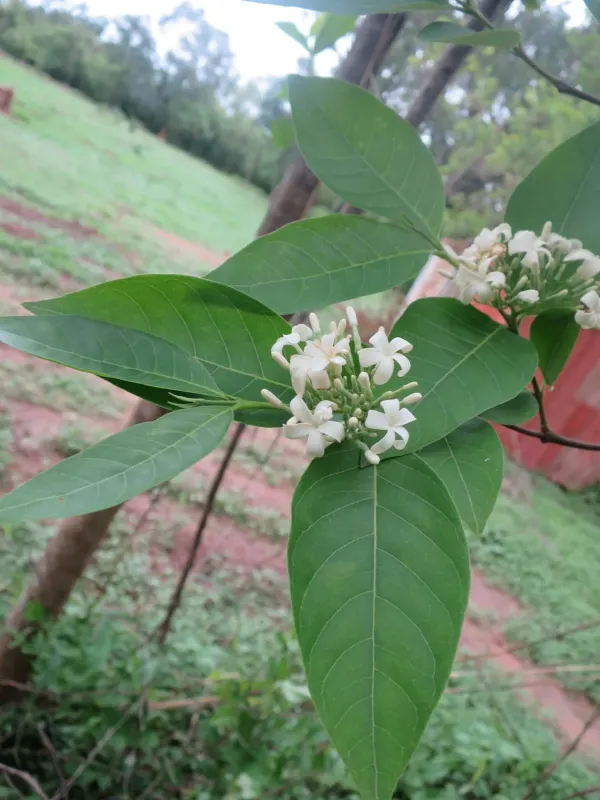
Description
Growing requirements
Holarrhena floribunda is a prominent member of the Apocynaceae family, widely recognized for its medicinal bark and seeds containing valuable alkaloids.
The plant thrives in tropical environments, requiring consistent temperatures and high humidity levels typical of its native African habitat to maintain active growth rates.
Soil requirements for optimal development include well-drained, nutrient-rich loamy substrates that allow for deep root penetration without water accumulation.
As a light-demanding species, this tree performs best in full sun, which facilitates the photosynthesis necessary for the accumulation of active chemical compounds.
Agricultural management involves regular weeding around the base of the plant during the initial stages and maintaining soil fertility through organic amendments.
Main diseases and pests
The primary threats to Holarrhena floribunda cultivation include fungal infections triggered by excessive soil moisture and poor drainage in the plantation area.
Pest challenges involve infestations of aphids and various types of leaf-eating insects that can stunt plant growth and reduce the quality of the harvested medicinal bark.
Environmental stress, such as prolonged droughts or unexpected cold snaps, can weaken the plants, making them more susceptible to localized pathogens.
Integrated pest management strategies are crucial to ensuring healthy yields, focusing on biological controls that avoid contaminating the medicinal plant tissue.
Continuous monitoring of foliage and root health is necessary to detect early signs of disease or insect damage and to implement timely interventions.