
Dregia
Dregia
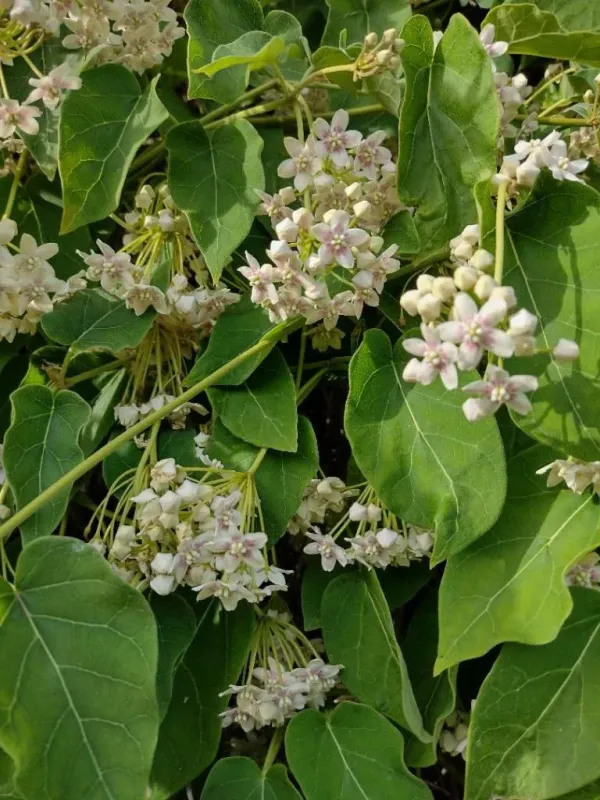
Description
Growing requirements
Dregia is a genus of evergreen climbing plants and vines belonging to the Apocynaceae family. Native to the tropical regions of Africa and Asia, these plants are known for their vigorous growth and distinctive foliage, often serving as climbing elements in tropical forest ecosystems.
The cultivation of Dregia requires a well-drained, nutrient-rich potting mix that provides excellent aeration for the root system. As a tropical plant, it thrives in environments that mimic high humidity and stable, warm temperatures, typically between 20°C and 28°C.
Soil moisture management is the cornerstone of its successful development. While the plant appreciates consistent moisture during the growing season, it is highly intolerant of waterlogged conditions, which lead to rapid root deterioration.
Regarding light, Dregia prefers bright, indirect sunlight. Exposure to direct, harsh midday sun can lead to leaf scorch, while insufficient light levels will cause the plant to become "leggy," losing its structural integrity and aesthetic appeal.
In agricultural and horticultural practices, these plants are often supported by trellises or sturdy stakes to accommodate their vining nature. Proper pruning is essential to maintain a desired size and to encourage lateral branching for a fuller plant appearance.
Main diseases and pests
Root rot caused by pathogenic fungi is the most significant threat to Dregia in indoor or greenhouse settings. This condition is almost exclusively the result of overwatering and insufficient drainage, requiring immediate repotting.
Common indoor pests such as spider mites are highly attracted to the plant under dry air conditions. These mites puncture plant cells to feed, resulting in discolored, stippled leaves that can lead to significant defoliation if left untreated.
Mealybugs are another recurring pest, often hiding in the leaf axils where they are difficult to reach with standard surface sprays. Horticultural oils or systemic insecticides are generally recommended for effective management of these insects.
Fungal leaf spot diseases can occur if the foliage remains wet for extended periods in environments with poor air circulation. Improving airflow around the plant is the most effective preventative measure against these infections.
Nutrient deficiencies, specifically nitrogen or magnesium, may manifest as leaf yellowing (chlorosis). Implementing a balanced, regular feeding schedule with micronutrients helps maintain robust health and vibrant leaf color throughout the growth cycle.