
Ceropegia rhynchantha
Ceropegia rhynchantha
Description
Growing requirements
Ceropegia rhynchantha is a fascinating member of the Apocynaceae family, native to the arid regions of Southern Africa. This perennial plant is highly adapted to extreme environments due to its specialized tuberous root system.
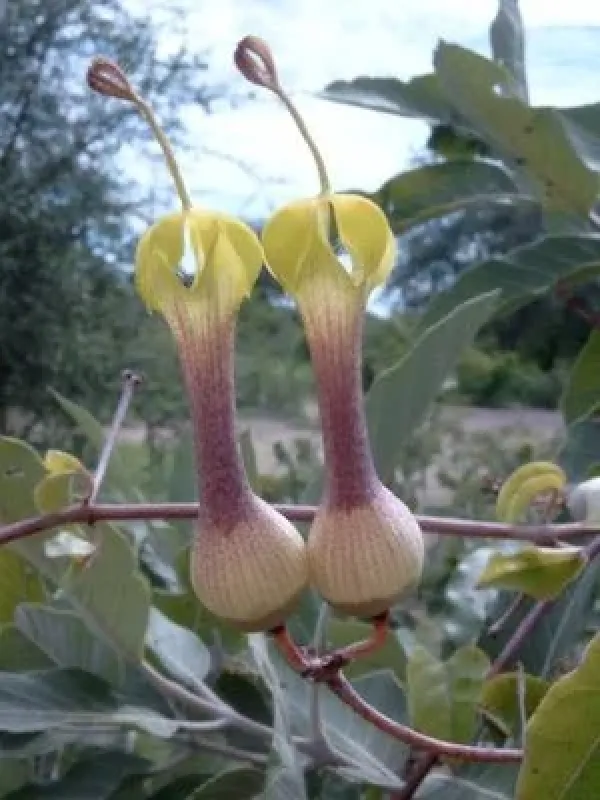
The plant demonstrates a unique growth habit with sprawling or climbing stems. Its botanical features include complex flower morphology designed for specific insect pollination, which is a hallmark of the Ceropegia genus.
When it comes to soil requirements, a highly porous and gritty substrate is essential. Growers should prioritize mineral-based mixes containing coarse sand, pumice, or perlite to prevent root asphyxiation and rot.
The climate requirements involve maintaining a warm environment during the growing season, typically between 22°C and 28°C. Bright, indirect light is preferred, as intense direct sun can cause scorch marks on the succulent stems.
In terms of agricultural use, this species is cultivated primarily as a collector's item in specialized nurseries. It represents a significant niche in the horticultural market, valued for its rarity and distinct aesthetic appeal.
Main diseases and pests
Root rot remains the most critical threat to this species, usually triggered by improper watering schedules or growing media that retains too much moisture for extended periods.
Mealybugs are the most common pests encountered during cultivation. These insects often hide in the crevices of the stems or near the soil line, making manual removal difficult.
Scale insects can also attach to the plant, causing localized damage and weakening the overall structure by extracting vital fluids from the succulent tissues.
Fungal infections, such as those caused by Botrytis, may affect the plant during cool, humid periods if air circulation is insufficient within the growing space.
Integrated pest management, including regular monitoring and the use of safe contact insecticides, is vital for protecting the health and development of these unique plants.