
Ceropegia hybrids
Ceropegia hybrids
Description
Growing requirements
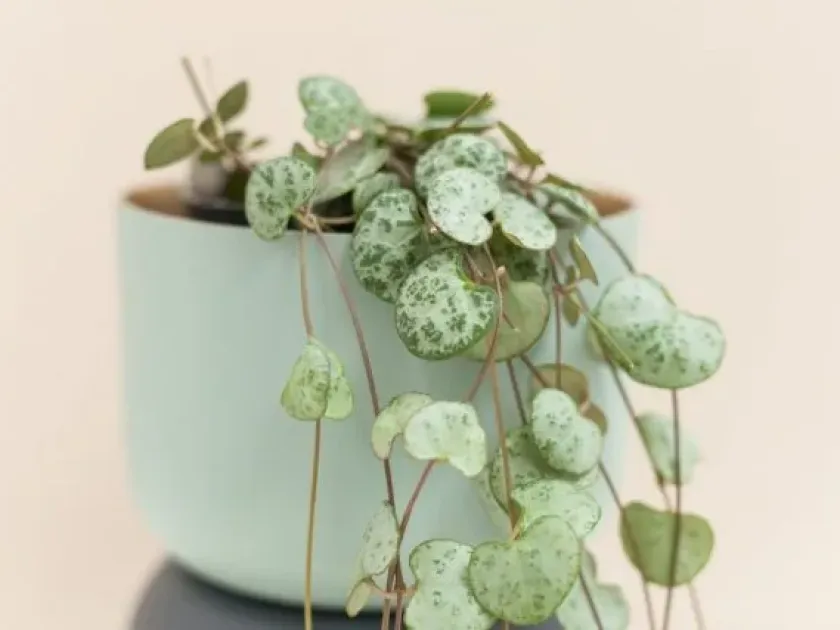
Ceropegia hybrids are ornamental succulent plants belonging to the Apocynaceae family. These plants are valued for their highly specialized flowers and trailing growth habits, resulting from selective breeding to enhance their visual appeal in domestic and commercial interior spaces.
Originating from the tropical and subtropical regions of Africa and Asia, the wild relatives of this genus thrive in dry, rocky environments. Modern hybrids are cultivated mainly in greenhouses or controlled indoor environments where specific climate parameters are maintained to ensure optimal growth.
The core requirement for successful cultivation is a well-draining, porous substrate. Using a mix of coarse sand, perlite, and organic peat ensures proper aeration. Water stagnation is the primary cause of failure, so pots must have efficient drainage holes to allow excess water to escape freely.
Light management is crucial; these hybrids require bright, indirect light to maintain their leaf variegation and encourage blooming. Harsh direct sun exposure should be avoided during peak afternoon hours, as it can cause chlorophyll degradation and severe desiccation of the succulent tissues.
In terms of хозяйственного использования (commercial use), Ceropegia hybrids are highly sought after by the interior landscaping industry. Their unique aesthetic, often referred to as "string of hearts" derivatives, makes them a staple in high-end greenhouse propagation and retail plant trade.
Main diseases and pests
The primary pests affecting Ceropegia hybrids are mealybugs and spider mites, which thrive in stagnant or excessively dry environments. These pests penetrate the cuticle of the succulent stems, causing deformation and growth stunting, necessitating the use of systemic or contact insecticides.
Root rot, driven by fungal pathogens like Phytophthora, represents the most significant disease threat. This usually occurs due to poor soil drainage or overwatering during the dormant winter period. Treatment involves removing decayed parts, sterilizing the container, and repotting in fresh, dry medium.