
Catharanthus pusillus
Catharanthus pusillus
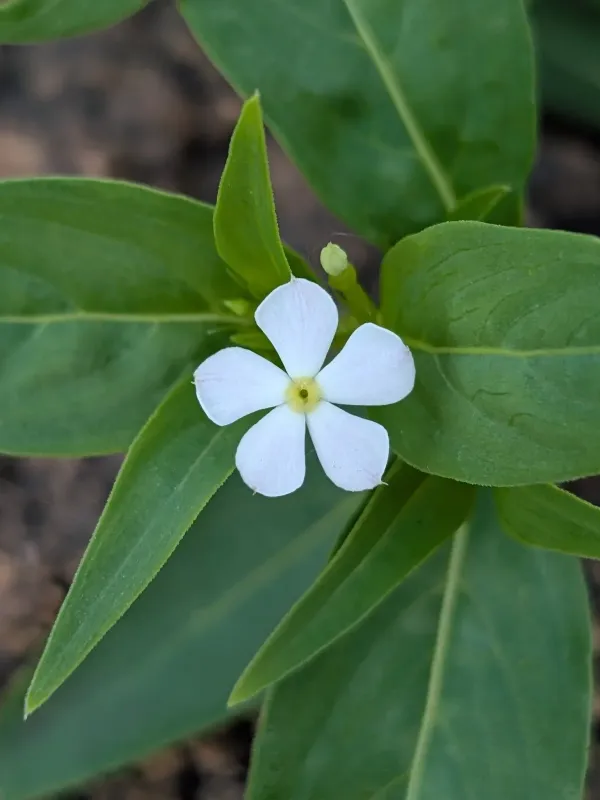
Description
Sowing dates
Catharanthus pusillus is an annual herbaceous plant belonging to the Apocynaceae family. Its growth cycle is highly dependent on warm conditions, making it an ideal crop for tropical and subtropical agricultural regions.
Seeds are typically sown in well-prepared, loose soil once the soil temperature is consistently above 20 degrees Celsius. Surface sowing is recommended due to the small size of the seeds, which require sufficient light for uniform germination.
Seed density management is crucial; spacing plants roughly 20-25 centimeters apart allows for optimal airflow, which significantly reduces the risk of fungal infections later in the season.
Pre-germination moisture must be strictly maintained; however, the seedbed should not be saturated, as waterlogging can cause immediate seed decay before emergence.
In mechanized farming systems, precision seeders adjusted for small-seed crops can improve efficiency and ensure even distribution, leading to a more predictable final harvest.
Growing requirements
This crop thrives in full sunlight, which is necessary for the plant's metabolic processes and the synthesis of secondary metabolites. Shaded areas lead to weak stems and reduced overall yield quality.
Well-drained, sandy-loam soils are ideal for Catharanthus pusillus. The plant is sensitive to anaerobic conditions, so soil compaction must be avoided to allow for proper root respiration.
Water requirements are moderate. The crop is known for its ability to withstand short periods of drought, but consistent irrigation during the flowering phase is essential for maximizing biomass production.
A neutral soil pH between 6.0 and 7.0 is optimal for nutrient uptake. In nutrient-deficient soils, balanced fertilization with macro- and micronutrients can significantly enhance growth rates.
Environmental stability is key. While the plant loves heat, temperatures exceeding 35 degrees Celsius combined with low humidity may require supplemental irrigation to prevent heat stress and wilting.
Main diseases and pests
Aphids represent a primary threat during the early vegetative stage, as they colonize the underside of leaves and can stunt growth by draining plant sap.
Root rot, often caused by species such as Phytophthora, is a common issue in poorly drained fields. Strict adherence to irrigation schedules and the use of fungicides are standard management practices.
Fungal diseases like powdery mildew are more prevalent in dense plantings where humidity remains high near the soil surface. Pruning and selective thinning are effective mechanical control measures.
Various sucking insects may transmit plant viruses that cause yellowing or deformation of the foliage. Early detection through regular crop scouting is vital to mitigate potential economic damage.
Weed competition can drastically reduce yield in the early weeks post-emergence. Integrated weed management using mulching or shallow cultivation is recommended for organic and conventional plots.
Harvesting
The harvest should be timed with the peak of the flowering season, as the concentration of target bioactive compounds usually follows the reproductive development of the plant.
The entire aerial part of the plant is typically collected. Cutting should be performed with sanitized blades at approximately 5-10 centimeters above the soil surface to maintain hygiene.
Post-harvest processing involves immediate transport to a drying facility. Controlled-temperature drying, usually around 40-45 degrees Celsius, prevents the degradation of delicate plant constituents.
Once dried to a specific moisture content, the crop should be processed to remove debris, leaves, and any inert foreign matter before being stored in dark, moisture-proof containers.
Proper storage is essential to maintain the stability of the plant material over time, preventing exposure to ultraviolet light and moisture, which can accelerate the breakdown of valuable phytochemicals.