
Catharanthus ovalis
Catharanthus ovalis
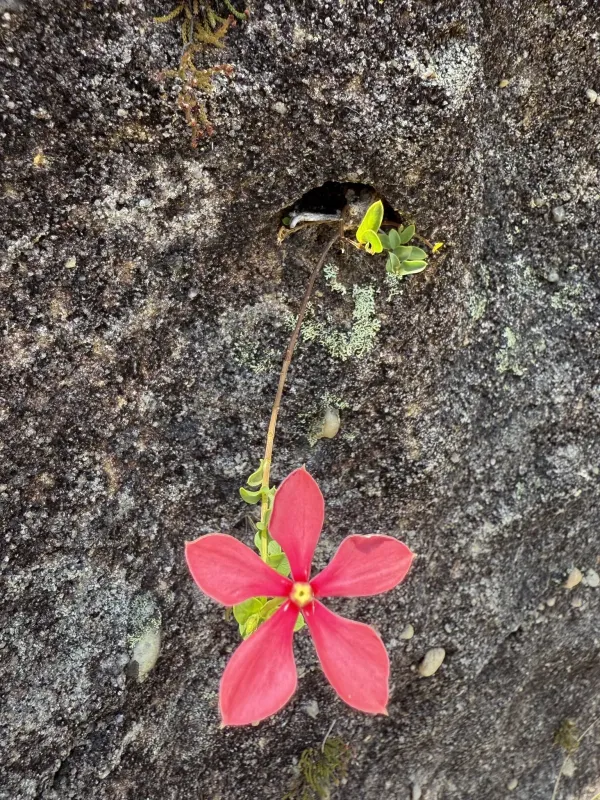
Description
Sowing dates
Catharanthus ovalis is a rare endemic species of the Catharanthus genus, belonging to the Apocynaceae family. Its life cycle is closely tied to the specific climatic conditions of Madagascar, where it thrives in distinct habitats. For agricultural purposes, seeds are sown in a pre-warmed substrate with high humidity, mimicking natural conditions.
Successful seed germination requires strict adherence to a temperature range between 24 and 28 degrees Celsius. Sowing is carried out superficially in light, well-drained soil mixtures, as seeds require oxygen access and do not tolerate deep burial in the ground.
A crucial condition is the use of a sterile substrate to prevent the development of fungal diseases at the early seedling stages. In professional settings, seed pre-treatment is often applied to enhance germination rates and accelerate the sprouting process.
The period from sowing to the appearance of the first sprouts usually ranges from two to three weeks, during which it is vital to maintain a constant level of air humidity. Sharp temperature fluctuations during the germination phase can lead to mass seedling loss.
After the formation of the second pair of true leaves, the plants are pricked out into individual containers or planted in their permanent location. Proper seedling preparation is a critical stage to ensure high crop productivity in the future.
Growing requirements
The plant has high lighting requirements: for normal growth and the synthesis of active substances, it needs bright, diffused light during a long photoperiod. Direct sunlight during midday hours can cause burns on the leaf surface.
The soil should have a neutral or slightly acidic reaction, be loose, and fertile. Catharanthus ovalis is extremely sensitive to water stagnation in the root zone, making quality drainage an mandatory requirement for successful cultivation.
Temperature control is a decisive survival factor for the crop, as it is a tropical endemic. The optimal temperature for vegetation ranges from 22 to 30 degrees Celsius; growth practically ceases if the temperature drops below 15 degrees.
The crop requires regular, moderate watering, preferably using soft, settled water at room temperature. Air humidity should be maintained at 60–70 percent, which is particularly important during periods of active growth.
Fertilizers are applied during the period of intensive vegetation using balanced mineral complexes. Special attention should be paid to micronutrients, which stimulate the biosynthesis of specific alkaloids characteristic of this Catharanthus species.
Yield
The economic value of Catharanthus ovalis lies in its content of valuable terpenoid indole alkaloids. Biomass yield depends on cultivation technology and lighting intensity, which directly affect the accumulation of metabolites in plant tissues.
Biomass harvesting is conducted during the active flowering phase, as the concentration of target compounds reaches its peak at this time. Strict adherence to feeding and watering regimes allows for a significant increase in raw material output per unit area.
Drying of the harvested raw material must be carried out at controlled temperatures not exceeding 45 degrees to avoid the degradation of fragile active compound molecules. Proper logistics and storage ensure the maintenance of product quality over a long period.
In industrial scales, processing includes alkaloid extraction for the pharmaceutical industry. High productivity indicators are achieved using hydroponic systems that allow for precise control of the nutrient solution composition.
Quantitative yield metrics are often evaluated based on the dry weight of leaves and stems. Optimization of genetic potential and agronomic practices remains the main vector for increasing the economic return from cultivating this species.
Main diseases and pests
The main threats to Catharanthus ovalis are root rots, which occur due to improper watering and substrate waterlogging. Fungal pathogens of the Pythium and Phytophthora genera can quickly destroy a plantation in conditions of poor ventilation.
Leaf spot diseases caused by pathogenic bacteria and fungi require prophylactic treatments with systemic fungicides. An important element of protection is adherence to crop rotation and the disinfection of agricultural tools.
Among pests, spider mites and whiteflies pose the greatest danger, as they proliferate rapidly in high-temperature and low-humidity conditions. Their activity leads to leaf deformation and a decrease in photosynthetic activity.
Aphids can also affect young shoots, sucking sap and transmitting viral diseases that are virtually untreatable. Monitoring pest populations must be conducted on a daily basis in greenhouse environments.
For biological protection, entomophages such as Phytoseiulus are recommended; they effectively suppress mite populations without the use of harsh chemicals. An integrated pest management system allows for the production of high-quality, eco-friendly raw materials.