
Long-leaved catharanthus
Catharanthus longifolius
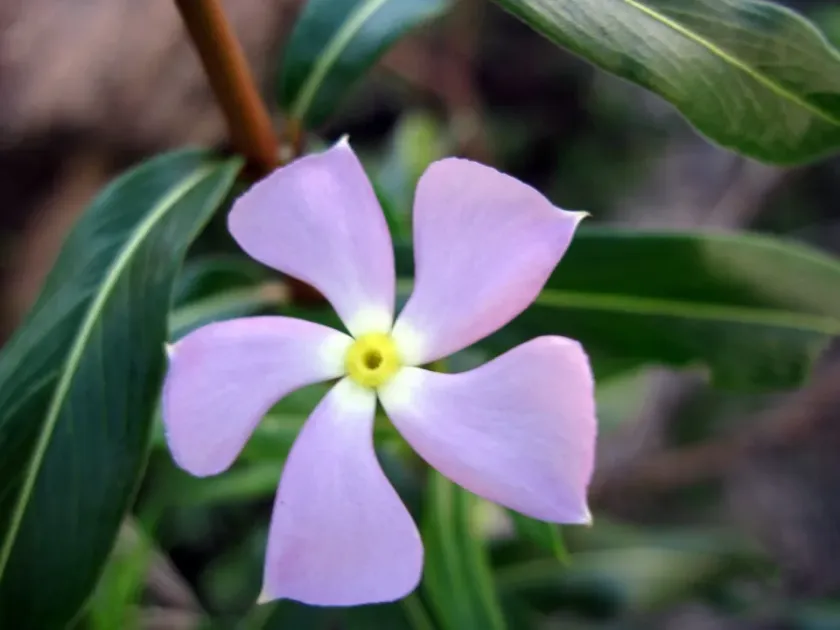
Description
Growing requirements
Long-leaved catharanthus (Catharanthus longifolius) is an herbaceous plant belonging to the Apocynaceae family. It is distinct for its specific leaf morphology, which sets it apart from more common ornamental species within the Catharanthus genus.
Originating from Madagascar, this crop is essentially tropical. It thrives in environments with high ambient temperatures and is highly sensitive to cold, making it unsuitable for outdoor cultivation in temperate regions unless managed in controlled greenhouse settings.
The crop requires fertile, well-draining soil with a balanced pH level. Soil compaction should be strictly avoided to allow for proper root aeration, as the root system is sensitive to asphyxiation in waterlogged conditions, which frequently leads to rapid decay.
Light intensity plays a crucial role in the metabolic processes of Catharanthus longifolius. High light levels are essential to trigger the synthesis of alkaloids, which are the primary reason for the plant's economic importance in the pharmaceutical industry.
Agrotechnical management involves meticulous water control, utilizing drip irrigation to prevent foliar contact with moisture, which helps reduce the incidence of fungal leaf spots. Proper spacing is also required to ensure adequate airflow between plants.
Main diseases and pests
The primary pests affecting this species under glass are spider mites and whiteflies. These insects cause significant damage to the leaf tissue, which reduces the photosynthetic capacity of the plant and subsequently the overall quality of the harvested medicinal raw material.
Fungal infections such as Fusarium wilt and root rot are common threats that thrive in humid greenhouse environments. These diseases target the plant at its most vulnerable stages and are difficult to eradicate once they become systemic in the crop.
Bacterial blight is a major concern when hygiene protocols are not followed. It spreads easily through contaminated tools or splashing water, necessitating a strict disinfection schedule for all equipment and facilities within the production area.
Pest and disease management relies on a combination of cultural practices, such as removing affected plant material immediately, and the judicious use of pesticides. It is vital to adhere to the safety guidelines for medicinal crops during treatment.
Integrated pest management (IPM) strategies, including the use of predatory beneficial insects for mite control, are highly recommended to keep populations below economic injury levels while preserving the chemical purity of the final product.