
Carissa tetramera
Carissa tetramera
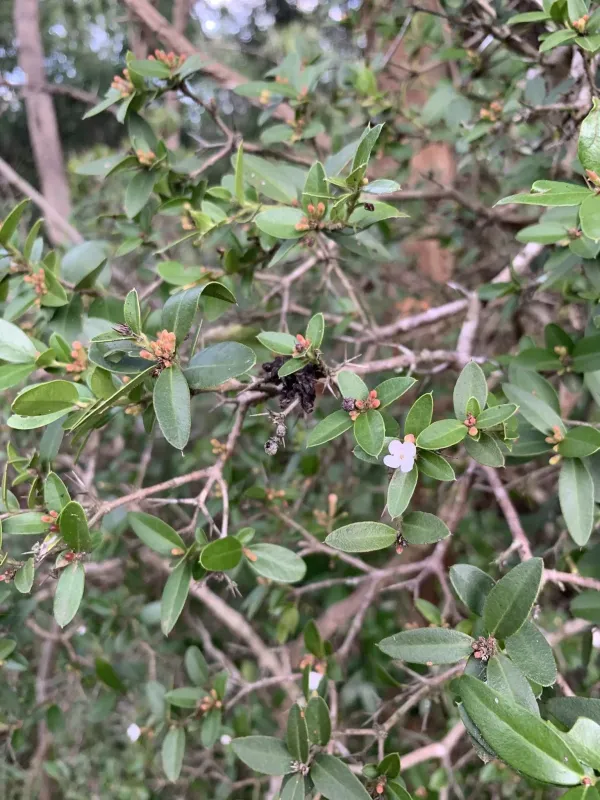
Description
Growing requirements
Carissa tetramera is an evergreen shrub species belonging to the Apocynaceae family. Native to the southern regions of Africa, this plant is well-adapted to savanna environments and thrives in warm, sunny climates.
The plant requires full sun exposure to flourish and produce high-quality yields. It demonstrates remarkable drought tolerance, which allows it to thrive in regions with irregular rainfall patterns and high evapotranspiration rates.
When it comes to soil, Carissa tetramera prefers well-drained loamy or sandy soils with a neutral pH level. It is essential to ensure that the planting site has excellent drainage to prevent root rot, which is a common issue in waterlogged conditions.
Temperature requirements are strict, as the plant cannot tolerate freezing temperatures. It is strictly a frost-tender species, necessitating indoor or greenhouse conditions in temperate climates to ensure survival throughout the winter.
Maintenance involves periodic pruning, which is necessary not only for shaping the bush but also for managing the sharp, bifurcated thorns that define the plant's structural appearance and defensive nature.
Yield
The primary economic value of Carissa tetramera lies in its edible, berry-like fruits. These fruits turn deep red or purple when mature and are known for their pleasant, tart flavor profile reminiscent of cranberries.
Yield capacity is relatively high given proper care and sunlight. The plant is known for its ability to bear fruit over an extended season, often producing flowers and fruit simultaneously, which is a key advantage for local growers.
The fruits are versatile in culinary applications and are frequently processed into jams, jellies, and desserts due to their natural pectin content. They can also be consumed fresh, providing a good source of vitamins.
Beyond food production, the plant serves an important role in agriculture as a living hedge. Its dense, thorny branches form an impenetrable barrier that protects livestock and crops from herbivore intrusion.
In addition to its utilitarian purposes, the plant is valued for its fragrant white flowers, which have significant ornamental appeal in tropical gardening and landscaping projects.