
Carissa spinarum
Carissa spinarum
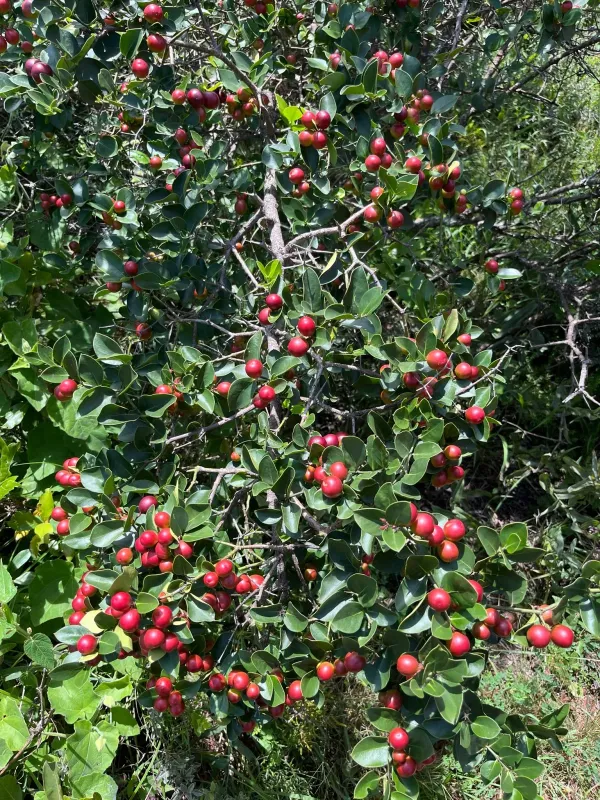
Description
Sowing dates
Carissa spinarum is primarily propagated through seeds or cuttings. Sowing should be carried out in a well-drained, lightweight soil mix within a greenhouse or nursery environment, maintaining a soil temperature of at least 22-25 degrees Celsius.
To speed up germination, pre-treatment such as stratification or soaking in growth stimulants is recommended. Seedlings appear unevenly over a period of 3 to 6 weeks, after which careful transplanting into individual containers is required.
Cutting propagation is considered more effective for maintaining specific cultivar traits. Semi-hardwood cuttings, approximately 10–15 centimeters long, are planted in a substrate consisting of sand and perlite, ensuring high air humidity.
Transplanting to a permanent location should only occur after the risk of frost has passed. This species prefers sunny locations sheltered from strong winds, where the root system can quickly establish itself.
When cultivating for commercial or decorative purposes, it is essential to account for the high growth intensity of the stems. Planting schemes should be planned with future shrub width in mind, maintaining spacing of 2–3 meters between plants.
Growing requirements
The plant belongs to the Apocynaceae family and is a typical representative of tropical flora. Carissa spinarum is highly demanding regarding light: for full blooming and fruit formation, it requires direct sunlight throughout the day.
The crop is relatively tolerant to various soil conditions, yet it performs best in loamy or sandy soils with a neutral or slightly acidic pH. Good drainage is a critical factor, as waterlogging at the roots leads to plant decay.
The optimal climate for active development is a hot summer with moderate humidity and an absence of extreme cold. The shrub is highly sensitive to freezing temperatures and will perish if the ground freezes.
During the active vegetation period, the plant requires regular irrigation, especially during the flowering and fruit-setting phases. At the same time, it possesses moderate drought tolerance due to its dense, leathery foliage that minimizes moisture loss.
Regular sanitary and formative pruning is necessary to maintain the plant's decorative appearance and productivity. Since the branches are armed with sharp thorns, agricultural work requires the use of personal protective equipment.
Yield
Carissa spinarum is valued for its edible fruits, which have a taste reminiscent of cranberries or strawberries. Yield depends on the age of the shrub and the growing conditions, reaching its peak when the plant is five years old.
The fruits are small, round berries that change color from green to bright purple or almost black upon ripening. Harvesting is conducted selectively as the berries reach full biological maturity.
In natural habitats, a single plant can produce a significant quantity of berries, which are utilized in culinary arts for making jams, jellies, and refreshing beverages.
Commercial utility also includes the creation of "living fences," which not only protect the site from intruders due to the sharp thorns but also serve as a source of vitamin-rich produce.
Yield metrics in introduced environments may be lower than in the native range due to a limited number of pollinators; therefore, artificial pollination may be required in greenhouse conditions.
Main diseases and pests
The main pests for Carissa are mealybugs and scale insects, which often infest the plant in conditions of low air humidity. Regular inspection of the underside of leaves allows for early detection of infestation sites.
When irrigation regimes are neglected or ventilation is poor, the plant is susceptible to fungal diseases such as root rot. Prevention involves controlling substrate moisture and using fungicides at the first sign of pathogens.
Foliage can suffer from spider mite infestations, particularly in dry summer months. The use of broad-spectrum insecticides or biological control methods helps effectively combat pest populations.
The plant can also be susceptible to chlorosis, manifesting as yellowing leaf blades. This condition is often caused by a micronutrient deficiency in the soil or an unsuitable pH level, requiring fertilizer adjustments.
- Regular ventilation of plantings.
- Maintaining cleanliness of garden tools.
- Isolating infected specimens from healthy ones.
- Using high-quality planting material.
Harvesting
Harvesting Carissa requires caution due to the presence of long, sharp thorns capable of causing injury. It is recommended to use thick, puncture-resistant gloves.
Berries should only be harvested when they have reached their characteristic dark color and feel soft to the touch. Unripe fruits have a tart taste and contain a milky sap, characteristic of many Apocynaceae species.
After harvesting, the fruits should be stored in a cool place, as they have a limited shelf life when fresh. For long-term storage, the berries are dried or processed into preserved products.
During harvesting, it is crucial not to damage the young stems where new flower buds will form in the next season. The optimal time for picking is during morning hours before the heat intensifies.
Collected fruits must be thoroughly washed and cleaned of any remaining calyx parts before processing, adhering to sanitary standards for berry product production.