
Carissa ovata
Carissa ovata
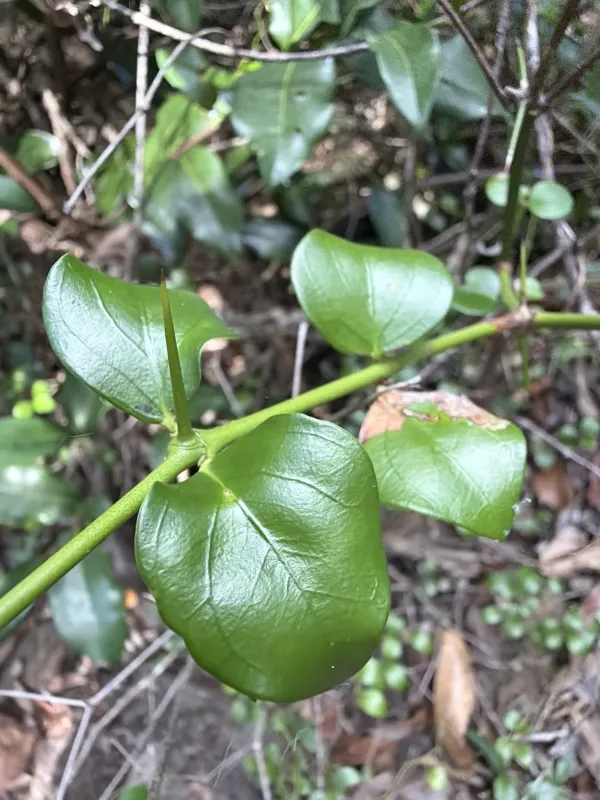
Description
Growing requirements
Carissa ovata, commonly known as the oval-leaf carissa, is an evergreen shrub belonging to the Apocynaceae family. Native to the varied landscapes of Australia, this plant is well-adapted to warm climates and thrives in sun-exposed environments.
The shrub typically exhibits a dense, thorny growth habit, which makes it a robust candidate for both fruit production and as a natural security barrier. Its biological structure is characterized by rigid, oval-shaped leaves and significant resilience to drought conditions.
To ensure optimal development, Carissa ovata requires well-drained, sandy-loam soils. It is particularly sensitive to soil compaction and waterlogging, which can cause severe root system damage. Proper drainage is the foundation of successful cultivation for this species.
Regarding climate, this plant is strictly adapted to frost-free environments. Sustained temperatures ranging between 20°C and 30°C are ideal for both vegetative development and the production of healthy, high-quality berries.
Cultivation practices involve routine light pruning to maintain the plant's shape and to encourage new growth. Because of its thorns, all field operations should be performed with appropriate safety gear to prevent physical injury during maintenance.
Yield
The primary economic output of Carissa ovata is its edible fruit. These small, dark berries have a pleasant, slightly tart flavor that is increasingly valued in local markets for both fresh consumption and culinary processing.
Apart from fruit harvesting, the shrub serves as an excellent hedge plant. Its ability to grow dense, intertwined branches covered in sharp spines makes it a top-tier choice for natural fencing in tropical regions, protecting gardens from pests and intruders.
Productivity typically begins to stabilize after the third year of planting. To maximize yields, professional growers often implement specialized feeding schedules that prioritize phosphorus and potassium to boost fruit set during the flowering season.
Harvesting is labor-intensive due to the plant's thorny nature. It is best to schedule harvests during cooler hours of the day to ensure fruit freshness and to make the process more manageable for the agricultural workers involved.
Post-harvest management is crucial; since the fruits are delicate, they should be stored in cool, ventilated containers to prevent rapid softening and to maintain their aesthetic appeal for market presentation.
Main diseases and pests
While relatively hardy, the plant can be susceptible to scale insects and mealybugs. Regular monitoring of the underside of leaves and branch junctions is essential to detect pest outbreaks before they lead to structural damage or reduced harvest quality.